%20sploosh.jpg)
Years from now, if you want to know what someone is thinking, it might now work to say, “A penny for your thoughts…” With the penny on its way out, future generations likely will forget what that even means. Same with calling someone a penny pincher or warning them not to be penny wise and pound foolish, or that a penny saved is a penny earned. Will they get the idea if we say something cost a pretty penny? Probably not.
As the penny becomes a distant memory, so will the feelings conjured up by these time-tested sayings. And don’t say we can just substitute “nickel” or “dime,” those truly don’t have the same sentiment, flow, or sound to the ear. Nickel pincher? Eh. Bitcoin for your thoughts? Ah, no.
The only phrase that might still work is, “He turned up like a bad penny,” because, well, a penny might turn up here and there—for a while anyway.
2006 appears to be the first year it cost more than a cent to make a penny, at about 1.23 cents. The cost continued to rise up to 3.69 cents per penny. The Secretary of Treasury made the decision to discontinue production based on the cost and the decreased need of the penny. And so, November 12, 2025, the Philadelphia Mint produced the final pennies produced for general circulation.
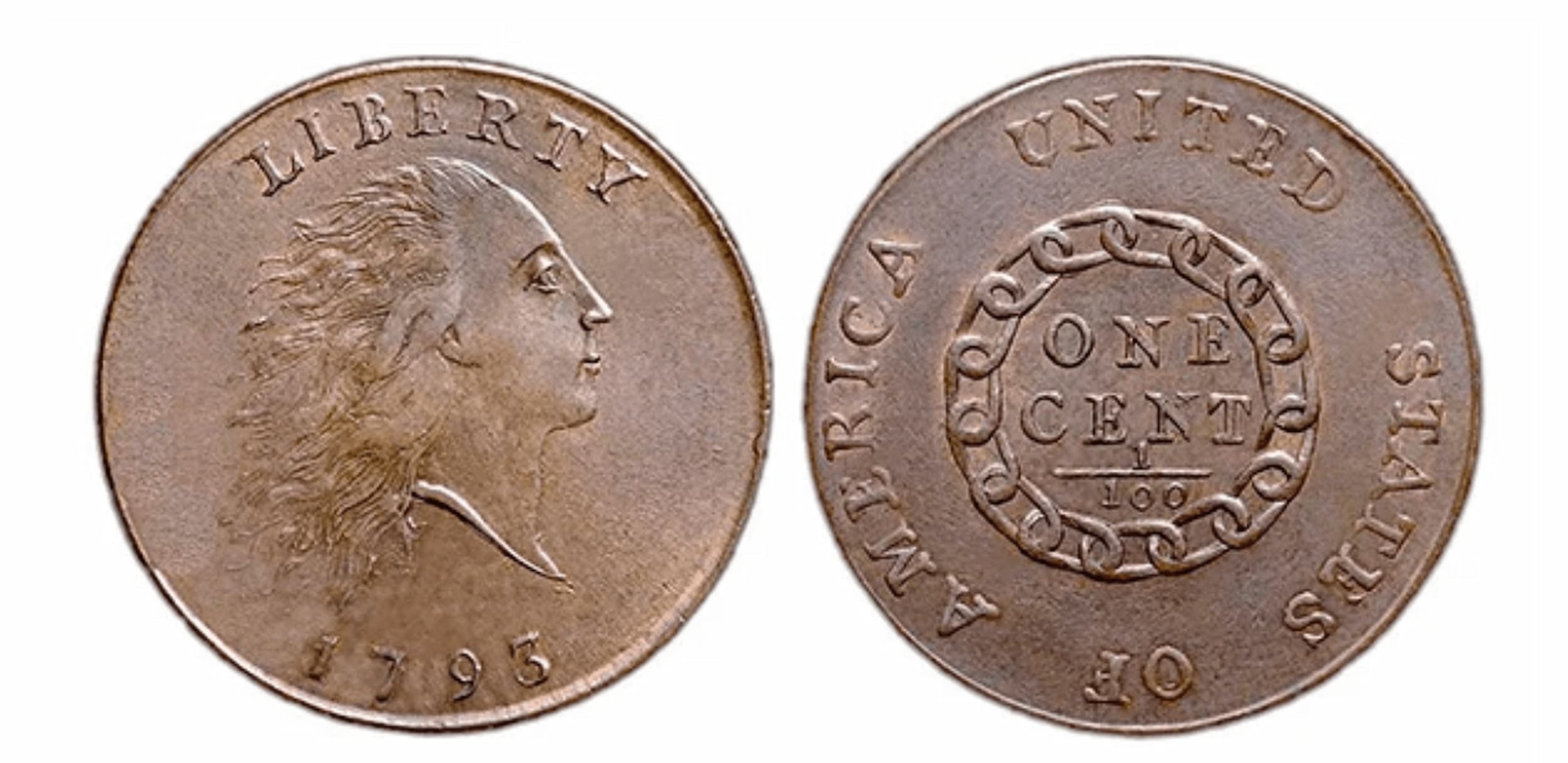
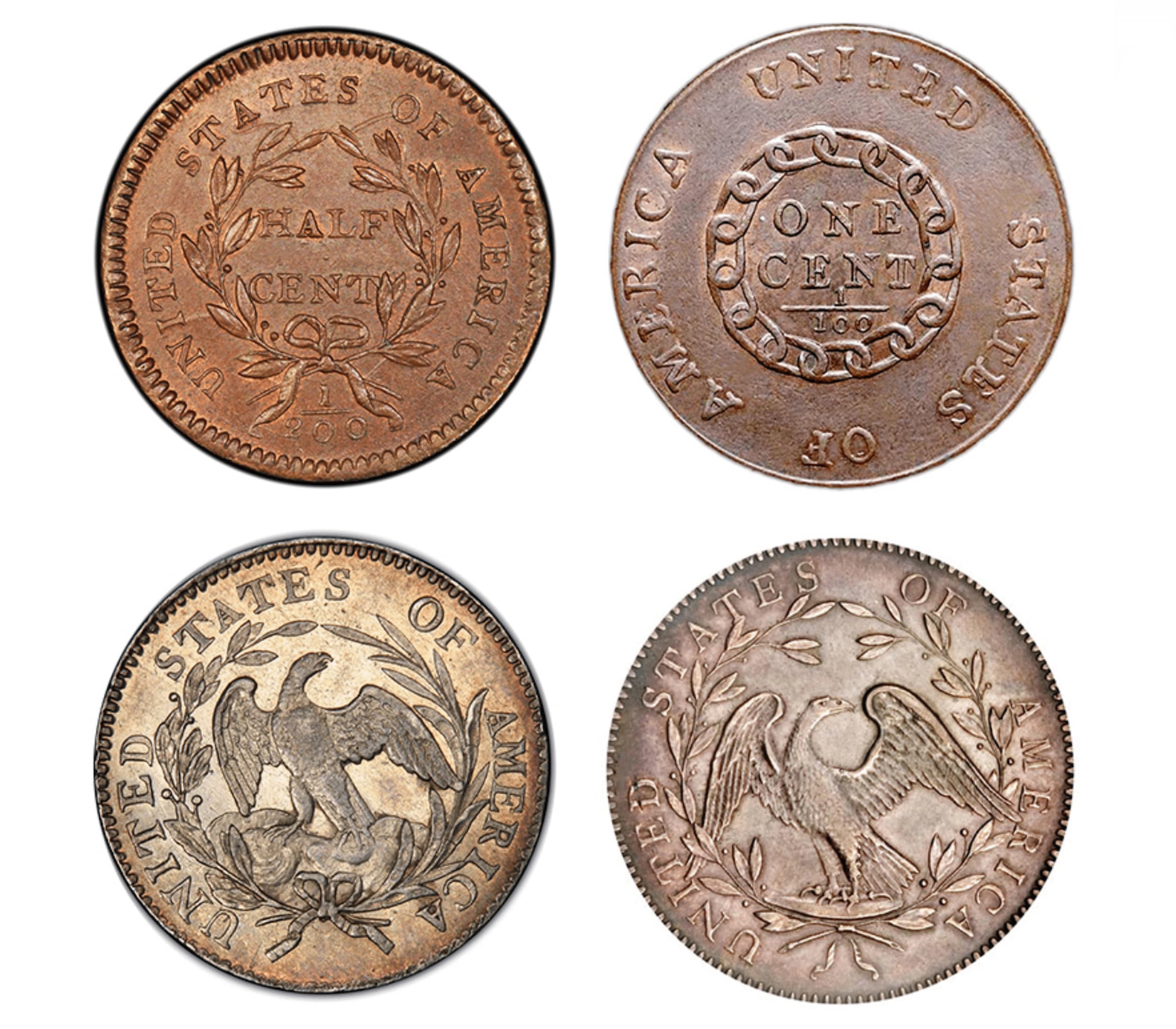
Pennies used to be worth something. When they were first minted in 1792, you wouldn’t have found a dish of them beside a cash register left behind and free for the taking for the next customer. Those first pennies had value both in what they were made of and in what they could buy. Until the mid 1850s, pennies were 100% copper and almost the size of the modern half dollar. The design featured the head of a woman with flowing hair.
And with that big copper coin, some suggest you could buy a handful of nails, a loaf of bread, or some cheese.
Also in that year, a half cent was minted which also was 100% copper and about the size of a quarter. It came in handy when buying things like a pound of potatoes which cost one and a half cents. The need for the half cent was fairly short lived and came to an end in 1857.
The design of the penny continued to evolve with some of the biggest changes being in the 1850s with the introduction of the Flying Eagle cent and the Indian head cent, both of which were smaller and changed to consist of 88% copper and 12% nickel. The design of the Indian head cents was said to depict Lady Liberty wearing a traditional Native American headdress.
In 1864 until 1982 (with a brief pause in 1943) the penny composition changed to Bronze (95% copper, 5% tin and zinc. During 1943 copper was needed for WWII ammunition production so the composition briefly switched to zinc-coated steel.
It wasn’t until 1909 that Abraham Lincoln’s face appeared on the penny. He was the first president to be featured on a U.S. coin and the intent was to honor what would have been his 100th birthday.
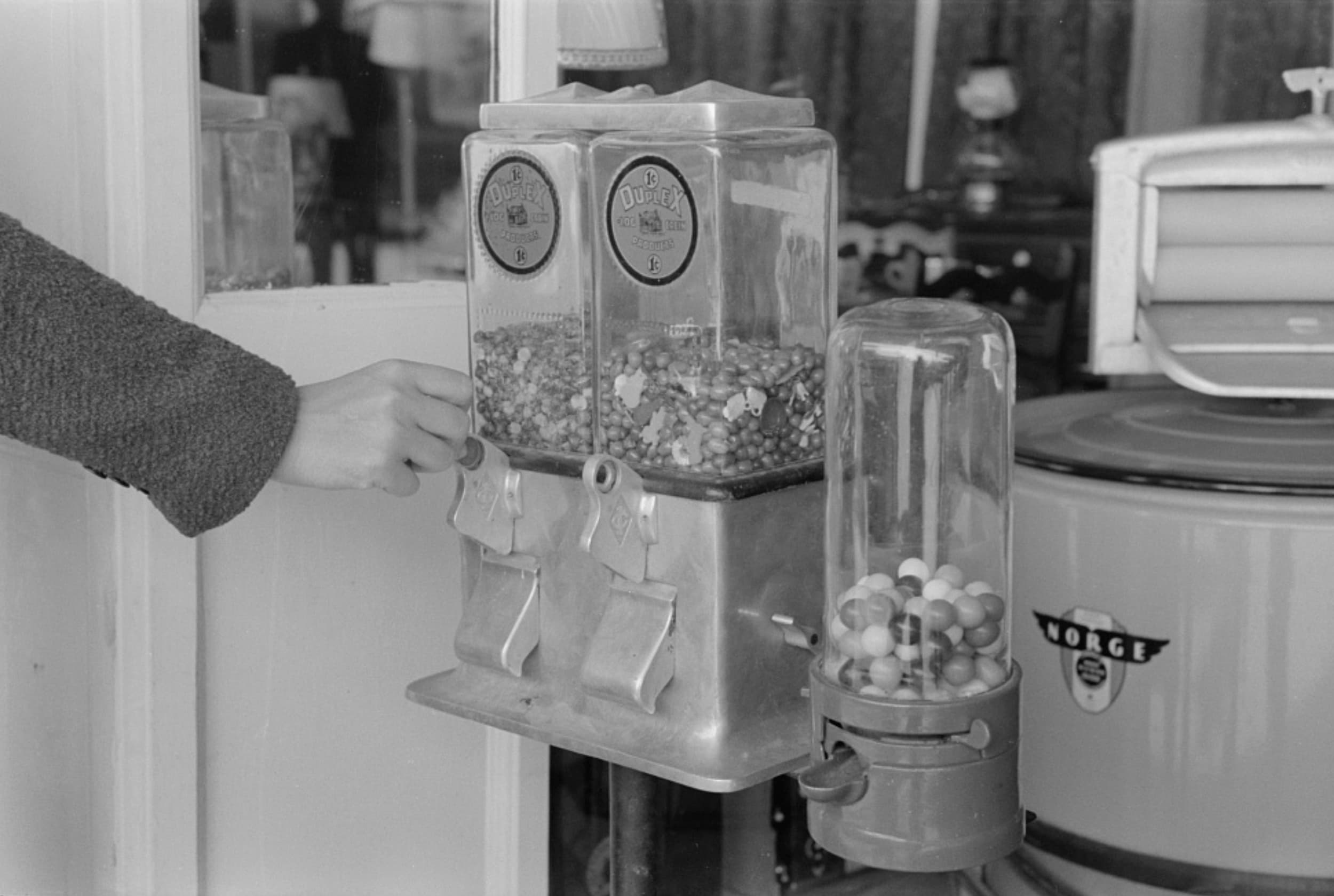
By the 1940s you couldn’t buy quite as much, but there were still things that cost a mere cent: arcade games, gumball machines, postcard stamp, you could even by an electric jolt to “juice yourself.” It was called an electric shock machine and claimed to increase circulation, purifies the blood and improve health. A timer mechanism was inside and would control how long the shock would be delivered. The machine is demonstrated on YouTube.
Starting in the 1950s, Bazooka Joe hit the candy shelves. For a penny, kids could buy not only a piece of bubble gum, but the bonus comic strip tucked inside. By the 1970s and 80s, the price did double to two cents and even three cents.
During its lifetime, the penny found its way into Americana. Already mentioned in the sayings that have colored our language, following are some additional infiltrations that evidence the legacy the penny will leave behind:
Art
While used in various arts and crafts projects throughout its time, probably the largest and biggest earning display was as the 6th place winner of 2010 ArtPrize. The piece, titled Helping Mom One Penny at a Time, was created by Wander Martich of Grand Rapids who used 84,000 pennies to tell the story of penny pinching with her children after her divorce.
Fashion Trends
In the mid the 1900s, the penny set a fashion trend. Loafer shoes with a diamond cut-out turned out to be just the right size to hold a penny. Story has it that the slot was to hold the coins for an emergency, to use in a payphone. That tale turned out to be more myth than fact, however, since payphones never took pennies.
Superstitions
•.Some folks believe that placing pennies in the corners of rooms can bring good luck or ward off evil spirits.
•.Some place pennies under their mattress because they believe it will protect their finances and invite good fortune.
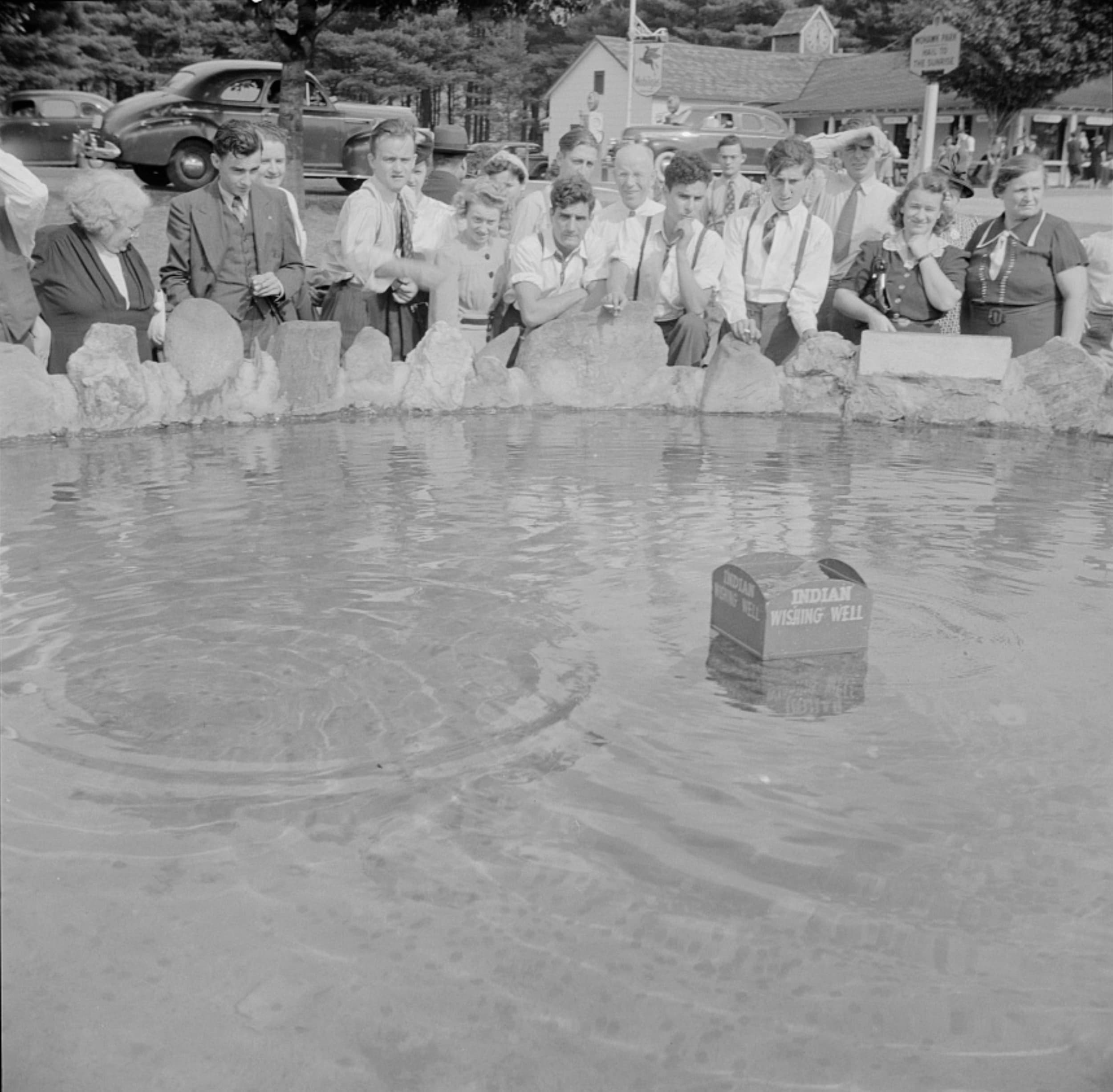
•.Some toss pennies in a fountain and make a wish. This dates back to ancient times when people believed water sources had divine or healing powers
•.Some follow the advice of, "See a penny pick it up, and all day long you’ll have good luck."
Though on the surface these appear fun and harmless, it's worth noting that many of these superstitions trace back to pagan culture.
First aid kit
Many believe if you tape an old, copper penny on a bee or wasp sting, it will counteract the bite.
Toolbox
•.You can use a penny as a makeshift flathead screwdriver.
•.If you put a copper penny in a toolbox, it will prevent rust and corrosion.
•.A penny under a table leg can level a wobble.
•.You can check your tire tread depth with a penny. Insert the coin upside down into the tire groove with Abraham Lincoln’s head facing down and toward you. If you can see the top of Lincoln’s head, your tires are completely worn and need to be replaced ASAP. If Lincoln’s head is covered, then your tires still have more than 2/32nds of tread.
Do you have a jar or penny bank full of pennies that you’re wondering what to do with? You have options.
You could spend them. But what fun is that? And you will find that even though you have the exact change because of your plethora of pennies, cashiers are following orders to round your total when you pay in cash. For example, when I ordered a latte at Biggby the cashier told me my total was $6.14. When she saw me holding the money, she said, “Oh paying cash? That will be $6.15.” Having your total rounded up definitely is not the same feeling as having it rounded down.
You could check your stash pennies that are valuable or rare. The pennies that could bring in some dough:
•.Wheat pennies, minted 1909 to 1958. Of those, the most valuable likely will be the 1909 SVDB or the 1914 D.
• 1943 steel pennies.
• Pennies with minting mistakes—errors or double dies.
You could get crafty. Tile a floor, piece of furniture, or picture frame. Make a mosaic or piece of art. Craft jewelry from a penny with a meaningful date.
And if nothing else, maybe save a handful as a keepsake for future generations—again, maybe save the ones with certain years that mean something to your family.
So maybe we can’t really buy anything with a penny anymore. And maybe penny loafers are no longer all the rage. While those who prefer digital currency might see the loss of the penny as a necessary evolution, others hold onto their coins, preferring the tangible and savoring the nostalgia.

Krista Yetzke is a native of Ottawa County. A jeep-driving, guitar-playing wife, mom, and everyday adventurer, Krista was raised on the love of Jesus, the great outdoors, the arts, the value of frugality, and the beauty of food as medicine.

Copyright © 2025 Hollander Media. All Rights Reserved. This material may not be published, broadcast, rewritten, or redistributed without written authorization. By providing your email or phone number, you are consenting to receive emails, calls, and SMS/MMS messages from The Hollander and affiliates. Msg & data rates may apply.