
If you think back to how childhood used to be—being outside constantly, coloring the sidewalks with chalk, riding bikes through the neighborhood, and dreading coming inside when our parents whistled it was time for dinner—it feels like an entirely different, untouchable world (despite the fact it was only a few decades ago).
The essence of childhood unfolded almost entirely outdoors, measured by knee scrapes, chalk-stained hands, and overly active imaginations that kept us busy. The landscape around us was our playground. We didn’t necessarily need access to a plastic, constructed playground. Our play sites were our neighborhoods, the “woods” behind our homes, and simply our driveways.
We would spend the entire day outside—hopping between friends' homes to building forts out of sticks—and then be bummed when the street lamps flickered on and we were called inside for the night.
But what was truly the magical side of it was being able to go to bed and know that we could do it all again tomorrow. Before we headed inside for the night, we’d scheme with our friends about what we were going to do tomorrow: finish the mile-long hopscotch, introduce a new family member to the Barbie household, or catch more toads than the day prior before nightfall.
Looking back on it, the importance of just being outside truly shaped how we learned, grew up, and function as adults. It was about unstructured time, shared experiences with childhood friends, and a sense of presence that didn’t need documentation or a limited screen time.
Then Came Infamous Screen Time
These childhood experiences are actually a nostalgic feeling that most of us miss. They are something we value. And when we see how children are growing up today, we almost feel bad for what they’re missing out on. We see children being quieted by a tablet screen at dinner tables, placed in front of television screens when parents are cooking dinner, and surrounded by adults who are sucked into their phones while their toddler begs them to play.
If you really think about it, many children today are being taught to relieve boredom through instant stimulation—quick fixes that prioritize distraction over engagement.
In contrast, boredom “back then” was something we had to sit with, and in doing so, we learned to invent, imagine, and create our own ways to fill time.
And sure, one could argue that “back then” technology wasn’t a vital part of our daily lives—it hadn’t evolved yet, access to it was limited, and it simply didn’t hold the same role it does now. However, that doesn’t mean its presence in children’s lives today should be entirely dismissed simply because times are different. That’s not to say children nowadays should avoid technology altogether, but it certainly should not hold a key role in their upbringing.
If we allow technology to dominate childhood, we risk them not having experiences that shape their abilities to be well-rounded, resilient, and imaginative individuals.
We can all relate to succumbing to the rabbit hole of technology. We’re constantly on our phones, laptops, and televisions. It has assuredly become a regular tool that we rely on in our day-to-day lives. But it’s different for adults. We have the judgment and self-awareness needed to balance our screen time and know when to step away. On the other hand, children are still developing the very skills that allow for this balance and can easily become reliant on technology.
It dominates their attention, stunts their curiosity, and sends the message that entertainment only comes from screens.
A Fruitful Childhood Comes From Curiosity
The children who are growing up as we speak deserve a childhood that is filled with experiences that foster curiosity, exploration, and freedom to uncover things on their own terms—just as we experienced growing up. I’m sure a lot of us can recall biking miles away from home, running toward that one spot in the woods where we were told not to go, and hopping from one friend’s house to another.
Even parenting was different. As children we had more trust from our parents to the point where we could linger far and always make it back home safe. We were able to know what time our curfew was and stick to it. But now, most children can’t ever wander any farther than the point where the driveway meets the sidewalk.
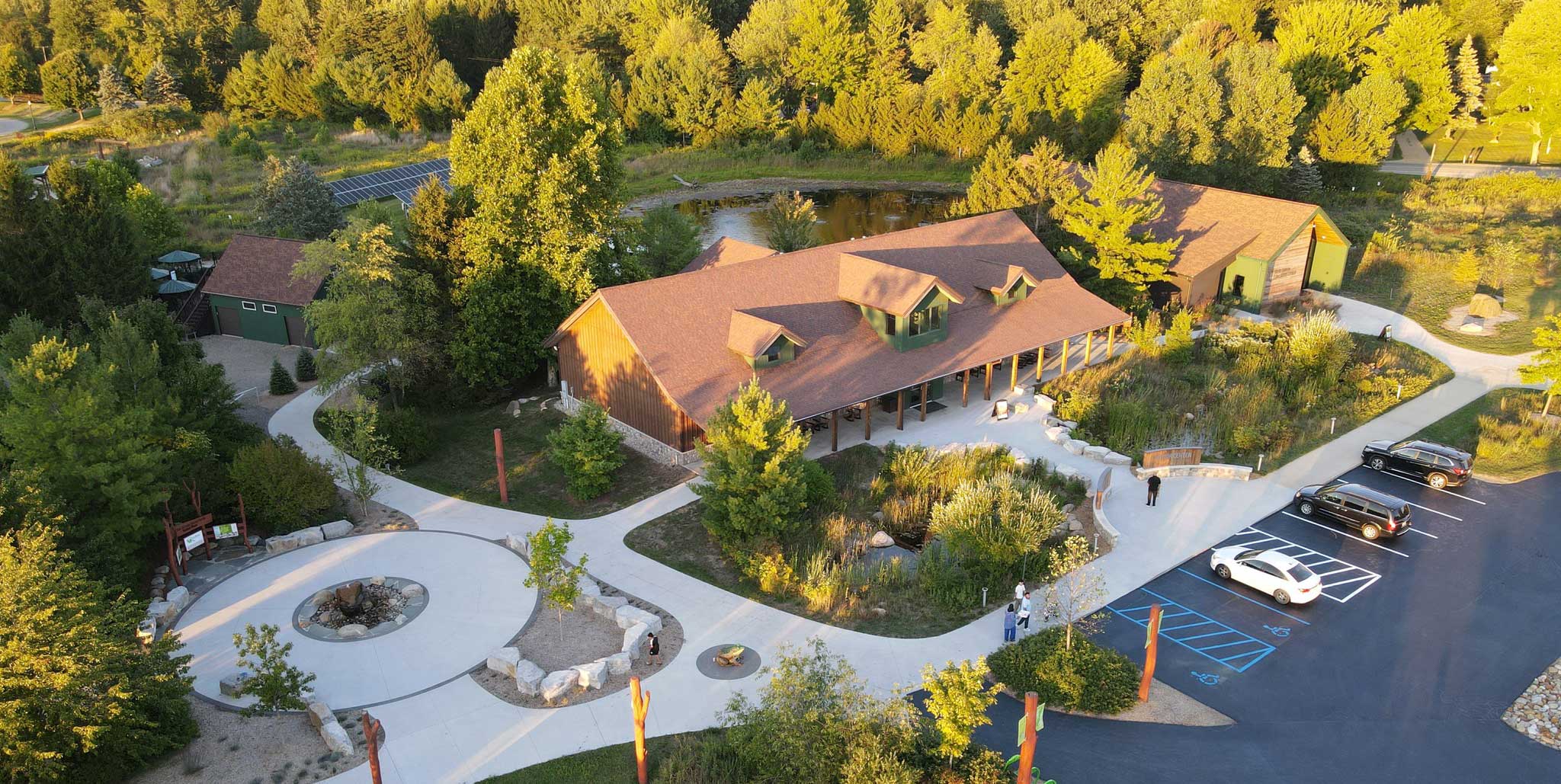
The Outdoor Discovery Center’s Unplugged Speaker Series
Surely, it’s undeniable that screens are a part of our lives, and consequently our children’s lives. But we should use technology as an addition to their experiences, not a replacement for them. Today’s children need time to directly explore and imagine what's around them—without a screen mediating every interaction. And this is exactly what the Outdoor Discovery Center’s Unplugged Speaker Series in Holland aims to explain.
For the Outdoor Discovery Center, they believe, "it’s not just about cutting down screens—it’s about what you replace that time with.”
And for them, the future should be lived outdoors. Just like how we did when we were kids.
This year, the ODC Network is hosting a four-part speaker series featuring nationally renowned experts who will delve into the way tech has transformed what childhood means.
The free, in-person series kicks off today, January 14, 2026, at 6:00 pm with Catherine Price, a leading voice in the national conversation about how to balance and create healthy relationships with tech. She is a New York Times bestselling author for her book, How to Break Up With Your Phone.
The series will continue through March with a series of three other speakers, all of whom have a unique and expert knowledge of our relationship with technology and the outdoors. You must register to attend each speaker session, so be sure to check out the website.
Sierra Ozolins is a West Michigan native, currently a student at Hope College. As an athlete, she is passionate about fitness—from running to weightlifting. With a interest for politics and lifestyle, she is intrigued how local culture, community, and everyday events shape the world around her—often with an iced coffee in hand and her dog by her side.
Copyright © 2025 Hollander Media. All Rights Reserved. This material may not be published, broadcast, rewritten, or redistributed without written authorization. By providing your email or phone number, you are consenting to receive emails, calls, and SMS/MMS messages from The Hollander and affiliates. Msg & data rates may apply.