The average data center uses about 300,000 gallons of water each day for cooling server systems, which is enough to supply 1,000 homes. Though none in Ottawa County so far, there currently are eleven data centers in the Grand Rapids area.
According to Helena Volzer, Senior Source Water Policy Manager for the Alliance for the Great Lakes, hyperscale data centers housing over 5,000 servers can use up to five million gallons of water per day, depending on the size and type of cooling technology used.
The most common method has been evaporative cooling–meaning the water is not returned to the watershed but rather is lost to evaporation.
Given that Michigan ranks second in the U.S. for the most fresh water in terms of area, and that, according to Volzer, our state legislature, economic development agencies, and local governments are offering data centers tax incentives and other benefits to locate here, it’s no wonder there’s an influx.
As technology continues to improve and more data centers move toward closed loop cooling systems, the increased water demand is likely to plateau.
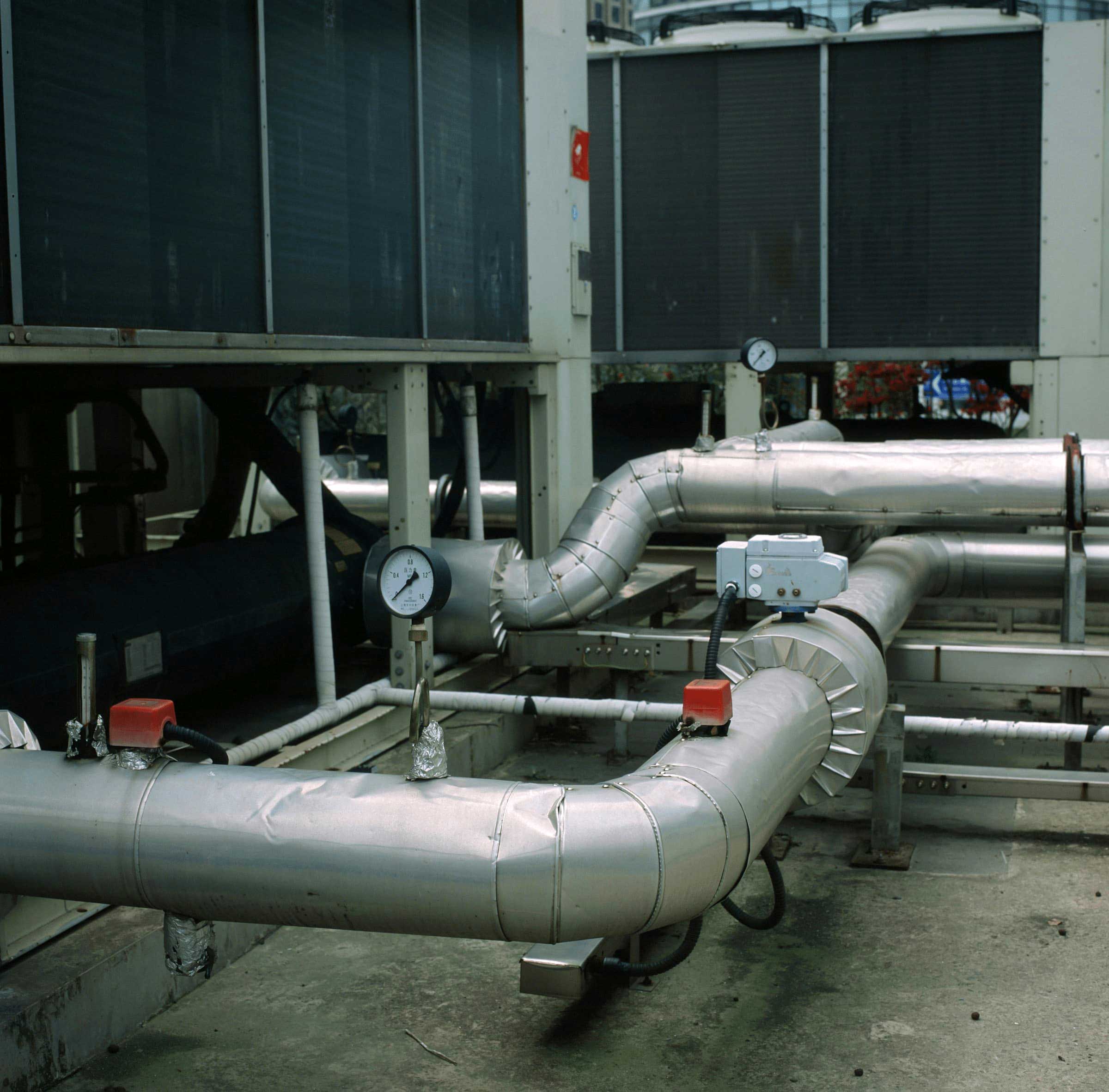
For data centers already using closed loop or for those data centers not yet built, this system would seem to be the obvious choice. But for those currently using other cooling methods the switch would be costly.
In the meantime, do the Great Lakes have the capacity to supply what’s needed?
A Look at Ottawa County
Jaime Fleming, Drinking Water Plant Superintendent, City of Wyoming, talked with The Hollander about the area’s water supply and whether it’s robust enough to handle the demands of more data centers.
For reference, Fleming explained that the City of Wyoming treatment plant serves eleven communities across both Ottawa and Kent County, including Zeeland, Park, Olive, Blendon, Holland, Georgetown, Jamestown, Gaines, and Byron Townships, the Cities of Hudsonville and Grandville, a portion of Kentwood, and the City of Wyoming. In total, it's about a quarter of a million people.
The plant’s current daily capacity is about 120 million gallons. In the winter, the plant is making about 28 million gallons, whereas in the summer it’s more like 90 million with consumers using more for lawncare, etc. According to Flemming, an extra 300,000 gallons a day for a data center is really kind of a “drop in the bucket” as far as impact.
She added that the Water Plant does not regulate which businesses come into the communities they serve. Food producers also tend to have intense water usage. The way a water plant is structured is that it sells water to the communities and then the communities have their own infrastructure that they manage and pay for.
It is the communities that consider the cost/benefit analysis and determine whether any given business would push them into a position where more infrastructure would be needed. The Water Plant partners with communities as they grow and advises them on where they might need to build more capacity.
However, Fleming thought that if every single community the Water Plant serves decided to have a data center, and there was a sudden need for a lot of water consumption, there probably would need to be some conversation about building capacity. But, she continued, we're here to serve communities and provide the economic and community support.
If local water plants work to supply whatever demand is placed on them, what keeps Lake Michigan water levels from going too low?
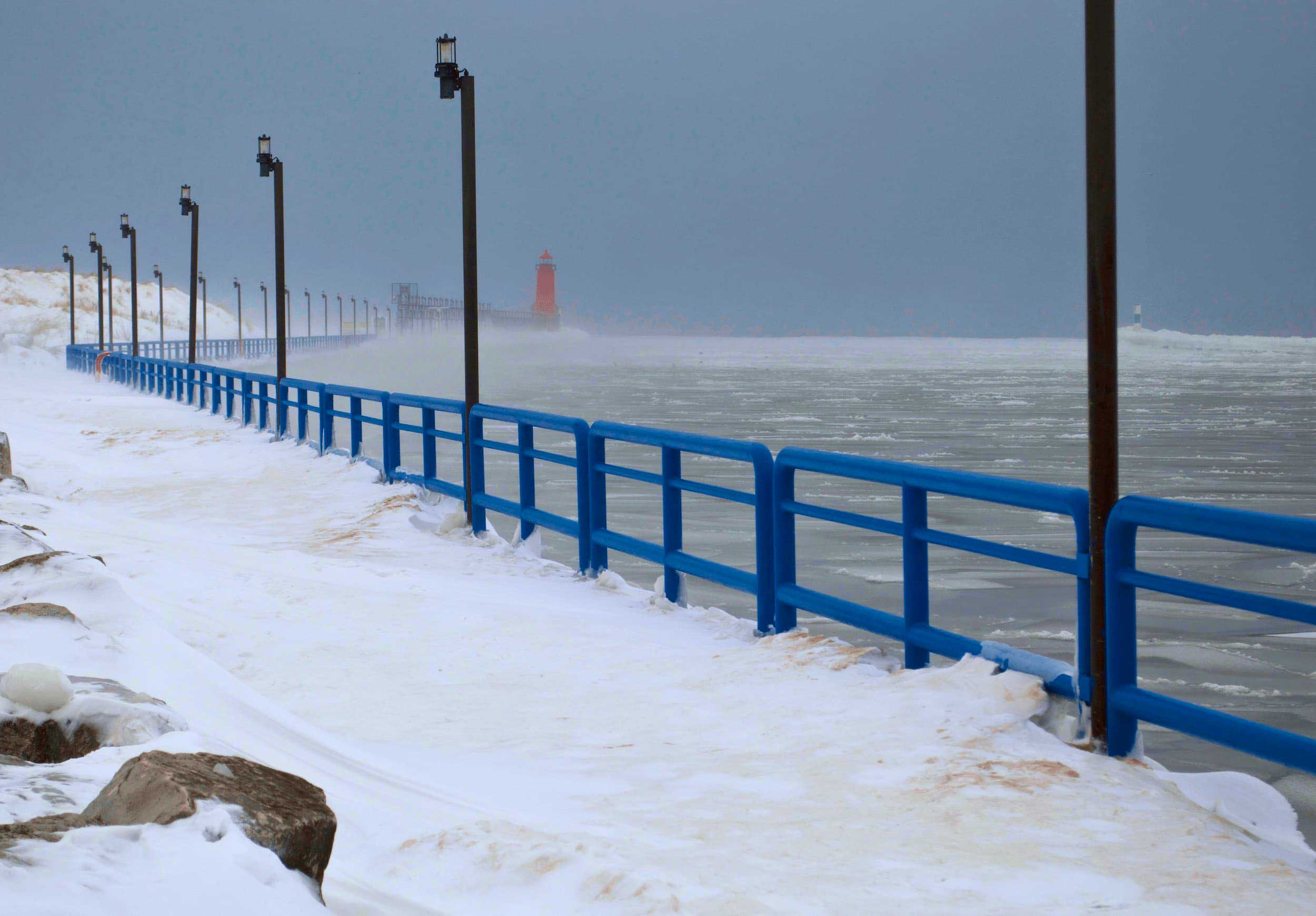
The Great Lakes-St. Lawrence River Basin Water Resources Compact, an agreement between eight Great Lakes states and two Canadian provinces, is in place to safeguard the Great Lakes as well as to regulate diversion.
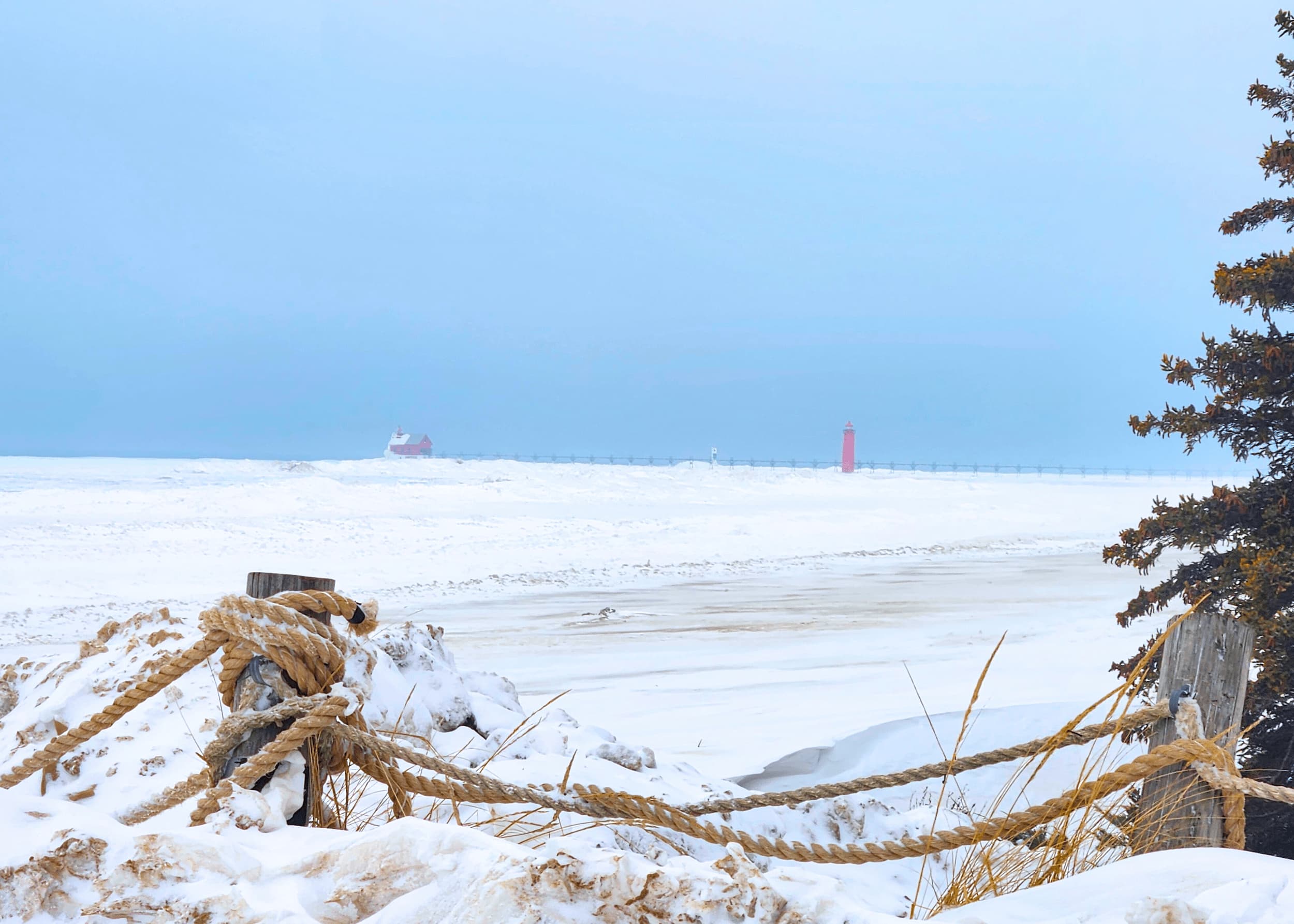
Since the Great Lakes are replenished only 1% each year by precipitation, their water levels need protection.
As Fleming pointed out, Lake Michigan's a “fantastic” water source. But while the Great Lakes may seem infinite, they are not. They are finite.
With data centers continuing to be built, Fleming agreed that water consumption is a conversation worth having. She thinks there is a responsible way to approach it by looking at capacity and considering an investment in infrastructure. Also to be considered are the different and responsible ways of consuming water, which could mean putting in place something that looks like an on-site treatment before it goes into a wastewater treatment plant.
“I think it really kind of comes down to, in my personal opinion, just making sure that we have smart guardrails around things. I think we have to be really smart about how we approach these things and make sure that we have the full picture before we just charge ahead,” Fleming said. “Adding a singular data center wouldn’t be too concerning, but ten or fifteen, now you’re driving up the cost of electricity, which gets reflected in what people are paying for their water bills.”
Is Water Consumption by Data Centers Regulated?
For that answer we go back to Helena Volzer of the Alliance of the Great Lakes, who said that only approximately one third of data centers track their water usage, making it difficult to understand how much water is being used and its impact on the lakes.
In a report called, “A Finite Resource,” Volzer writes that currently there are no water or energy efficiency standards or industry benchmarks.
Part of the reason might be due to how fast this industry has developed and also the scale and size of the data centers.
Volzer warns that if decision-makers don’t begin considering water availability and demand, it may lead us down a “dangerous, unsustainable, and inefficient water use path that impacts drinking water supplies, businesses, and food production. She adds that energy efficiency and water consumption should be considered “in harmony, rather than siloed.”
Looking to the Future, Concerns Remain
Both Volzer and Fleming appear to be giving the same precautions: there need to be guardrails, and we need to be thoughtful in our approach and able to see the full picture.
Offering tax incentives and inviting data centers here before fully understanding the long-term impact or how to regulate and protect our precious water resource, seems to have put residents at risk for rising energy and water bills and dissipating water safety and security.
As closed loop systems become more the norm, hopefully that risk will level off. But concern over data centers’ massive energy consumption still remains.

Krista Yetzke is a native of Ottawa County. A jeep-driving, guitar-playing wife, mom, and everyday adventurer, Krista was raised on the love of Jesus, the great outdoors, the arts, the value of frugality, and the beauty of food as medicine.
Copyright © 2025 Hollander Media. All Rights Reserved. This material may not be published, broadcast, rewritten, or redistributed without written authorization. By providing your email or phone number, you are consenting to receive emails, calls, and SMS/MMS messages from The Hollander and affiliates. Msg & data rates may apply.