Michigan’s ranking in education is nothing to brag about. Depending on the source, Michigan comes in anywhere from 42nd to 45th, almost at the bottom nationwide. The results weren't always that bleak. In the 1990s, Michigan topped out around 22nd but started a downward trend in the 2000s.
Sweden noticed a similar trend and decided to try something so forward thinking, so radical, so out of the box… The government is returning education to how it used to be, at least where it makes sense.
Leading to that decision, Sweden’s educators questioned whether introducing digital devices and digital learning too early had led to “a decline in basic skills,” inhibiting the very foundations of learning. They reasoned that reading physical books and writing with pencils should occur without constant stimulation and disruption from digital devices.
In response to these realizations, in 2023, Sweden’s government began investing more in physical materials and textbooks, expansive libraries, and additional handwriting training for teachers.
Even with the changes, technology still has its place in Swedish schools. Digital devices are used with older children when deemed an enhancement to learning.
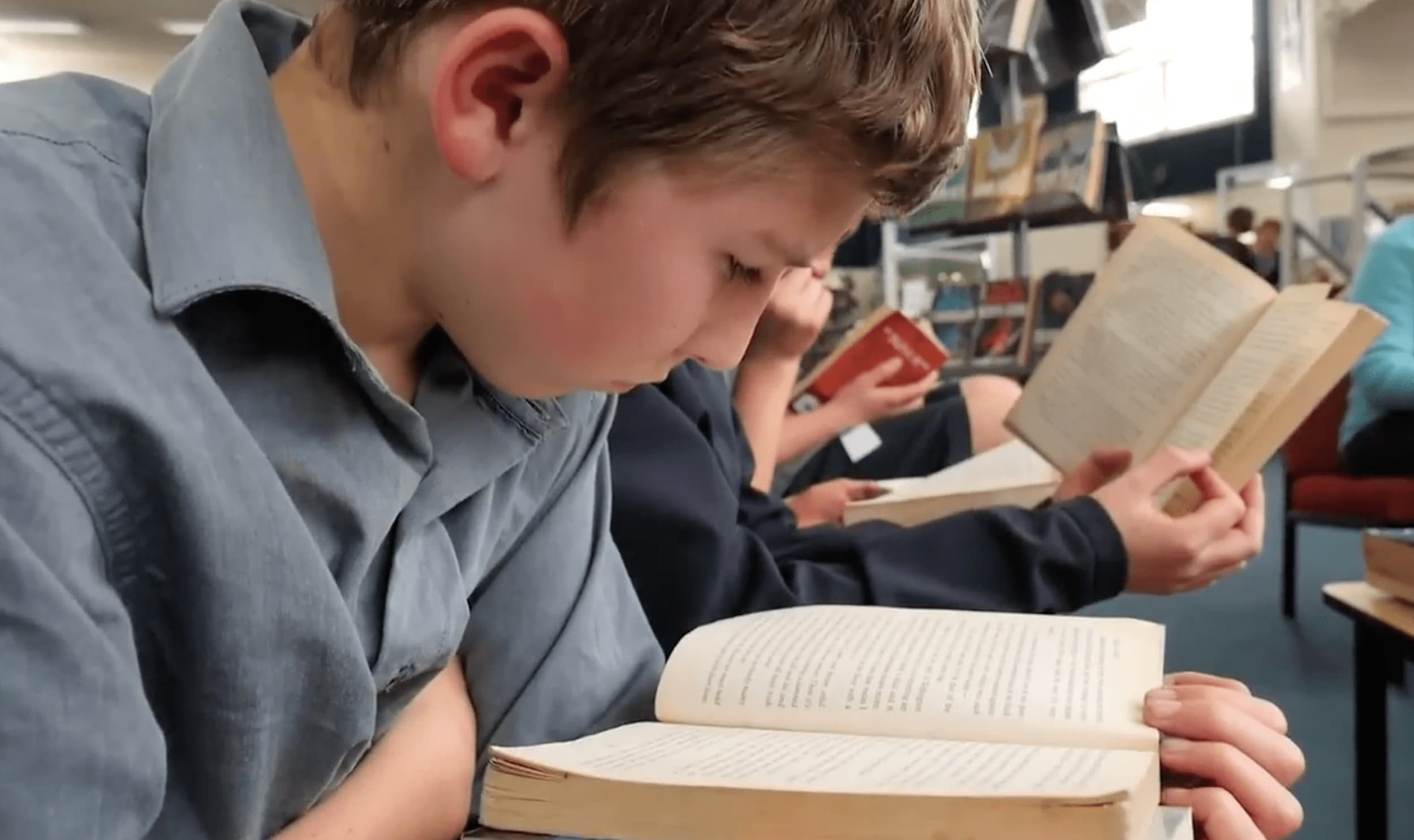
Studies have shown that when students read from paper materials or books they score higher in comprehension and with deeper learning than when reading the same information on a screen. Reading from paper also is said to give “spatial anchors,” which increase retention, decrease cognitive fatigue, and increase focus.
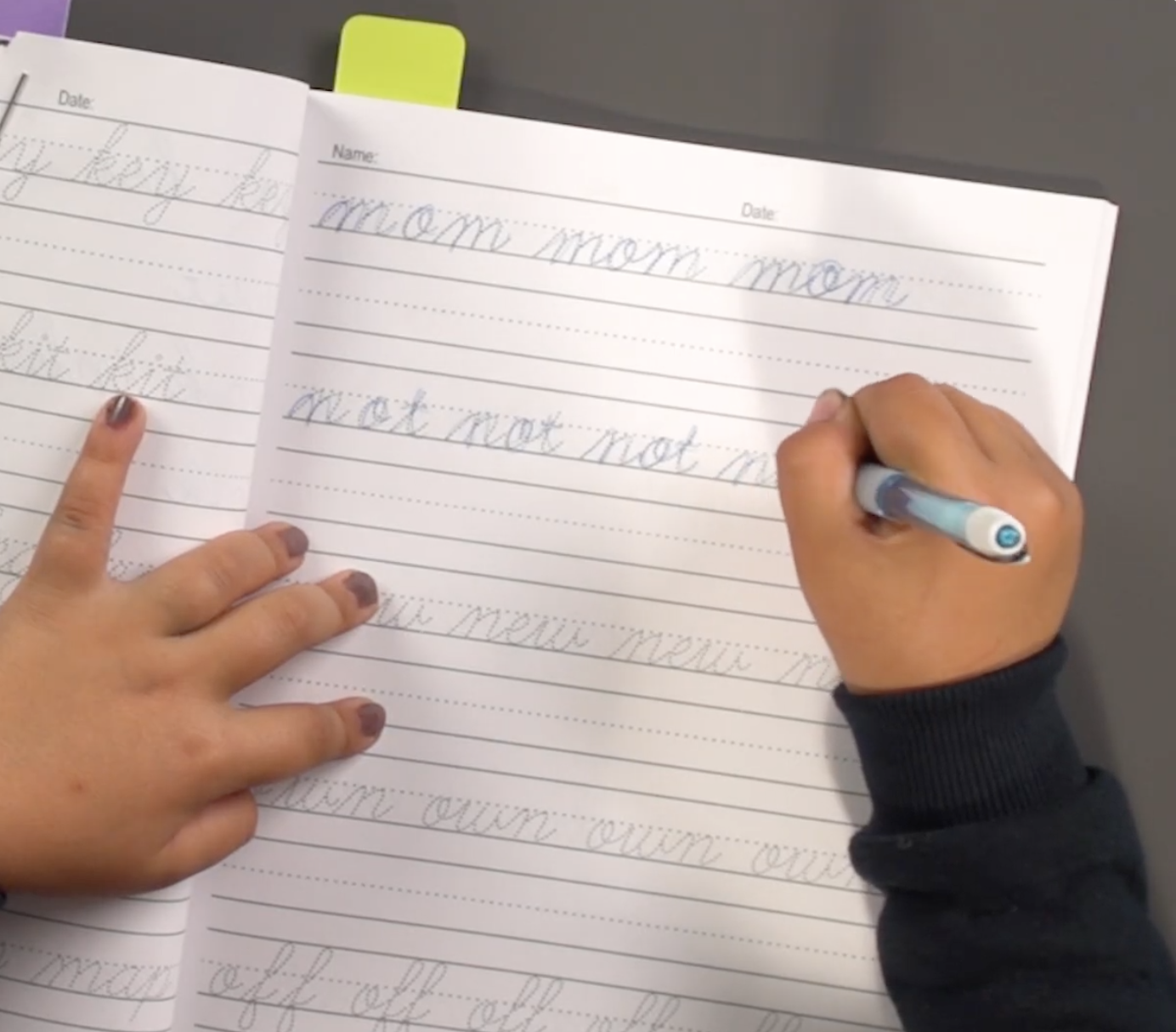
Compared to typing on a keyboard, handwriting leads to more widespread brain connectivity and is more beneficial for teaching letter recognition and improving finger dexterity in preschoolers. According to the National Institute of Health, “Writing by hand strengthens memory and learning through the ‘encoding effect,’ where the effort of forming letters improves retention and comprehension.”
And as for taking it up a notch to cursive, the benefits continue. Studies show writing in cursive increases engagement with the right side of the brain, creating more of a flow from a student's thoughts to getting the words on the paper. Cursive can even help improve print handwriting.
Increased comprehension, retention, focus, motor skills, and flow of thought? It seems traditional learning could help with challenges students currently face.
Cellphones have been pointed to as the culprit for distraction in the classroom. Governor Whitmer signed legislation to ban cellphones from classrooms last February. Did it help? Or was it a tactic to give the government time to figure out the real issue?
For starters, the Governor could have looked at the way social justice topics have infiltrated the core subjects or at the shift away from traditional math and phonics. Legislators could have gone back to when Michigan students last scored well and reviewed the ways since then that classrooms have changed. Instead, the focus was put on cellphones.
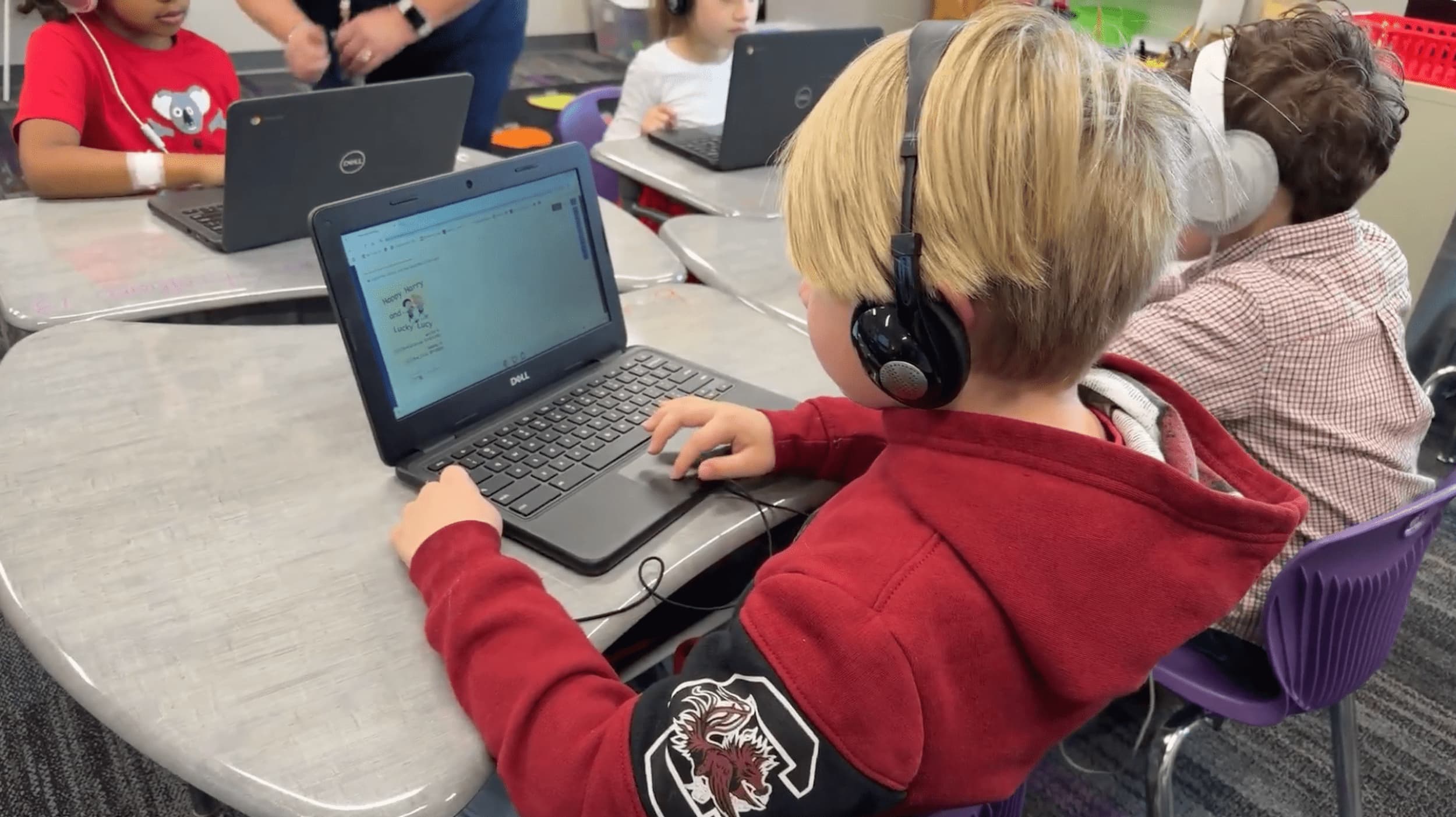
What if the overwhelm of digital learning simply has made classwork siloed and monotonous, even boring? From reading and research to assignments and testing, education seems mainly to take place on a screen.
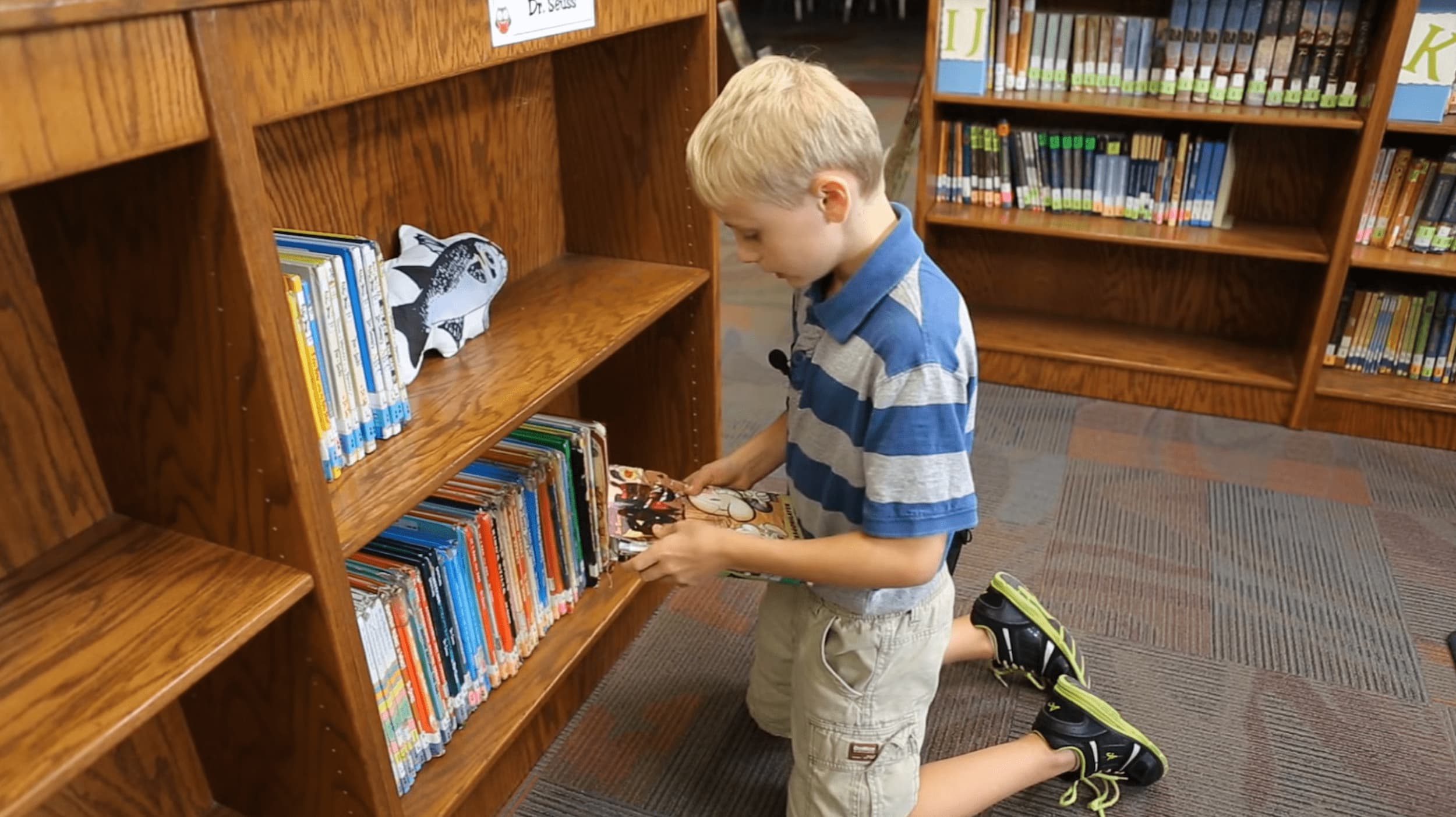
Remember when science classes were hands on experiments—tactile learning that drew students in and got them excited? How about the fun of actually going to the library to pick out a book? And speaking of books, remember how heavy backpacks loaded with books used to be? Remember not getting headaches because you weren’t on a screen all day?
Reflecting on how things were is not to say that going back to traditional learning leaves no room for technology. As Sweden holds, there are times where digital devices enhance learning. But we should not be using technology, just to use technology. Doing so does a disservice to the gifts of our teachers.
Allendale Public Schools elementary teacher Sharon Wieland, who retired in 2001, shared insight into what teaching fifth grade without technology was like: every subject required thought and creativity to connect and hold the attention across a classroom of varied learning styles, grading meant reading through every piece of handwritten work—which sometimes included added comments or doodles just for her, and the room itself was filled with inspiration and interaction. Engaging with students is what Wieland most enjoyed—being a part of every step of the learning process throughout the day.
Wieland reminisced about dressing up as Ms. Frizzle from The Magic School Bus to teach science lessons. She talked about guiding students with creative writing, drawings, and projects for their Civil War notebooks, and how she'd read to them from well-loved books like The BFG as they'd collectively take a pause from the day. It’s hard to imagine replacing those lessons with digital learning, with students tied to a screen and missing the engagement and physical experience.
When much of what teachers do to bring learning to life is replaced by a Chromebook, students miss out on the inspiration and joy of discovery that uniquely can come from a teacher who loves what she does.
Technology does have its place, just as history, art, and social studies have theirs.
There are parents who don’t want their children’s education involving screens all day every day. Digital learning often becomes the default, where teachers automatically turn to a screen rather than questioning whether that would be the most effective way to learn a topic.
Some parents don’t want their children to have the all-access pass their devices give them to preview every adult book of the Lakeland Library Cooperative catalog. While checking out books from the digital collection usually requires a parent-approved library card, no approval is needed to read the sometimes thirty- to forty-page digital preview of books that a parent might deem off limits.
To tackle these concerns, many parents are focusing on their own children while others are taking on their entire school district.
With both approaches, the issue, these parents say, comes down to “EdTech” vs. “Tech Ed.”
EdTech generally is defined a digital tool, platform, or app used in the classroom such as an iPad, Chromebook, or learning management system. Whereas TechEd is teaching about the technology, such as keyboard typing, safe searching, and media literacy.
It’s important to note that TechEd can be taught in a computer lab or by projection screen, etc., and is not dependent on each student having what is termed as a “1:1 internet-connected device,” such as a Chromebook or iPad.
For those who simply want to opt their child out of some or all screen use in the classroom, Screentime Consultant Emily Cherkin created a toolkit that provides three pathways for opting out.
1. Opt out of standardized testing. Often standardized testing, which can begin as early as kindergarten, requires a 1:1 device. If the tests are the only reason for a kindergartner to have a device, opting out of standardize tests also would remove the need for a device.
2. Opt out of a school-issued 1:1 device but still allow your child to access online tools at home or on a nonpersonal device at school. This still would allow for TechEd using a lab computer as well as EdTech on a home computer where parent-determined filters can be in place.
3. Opt out of all EdTech tools and products, including 1:1 devices. This still would allow for TechEd using a lab computer.
For those who want to address their school’s administration and work to effect change schoolwide, Cherkin provides guidance and information with that focus. Some of the questions she suggests asking of schools include:
• "Are you still teaching typing and handwriting skills, including cursive?
• Are there lessons in how to cite sources, both analog and digital; critical thinking exercises around identifying mis- and disinformation; and lessons on how to safely search the internet?
• Are these lessons taught by a human teacher?
• Are there procedures in place for when (not if) children encounter harmful content on their devices?
• Are EdTech tools used in alignment with child development, used only because they are universally better than an analog alternative, and in compliance with privacy laws?"
The Tech Safe Learning Coalition is another resource that provides parents with templates and guidance to assist with determining when technology is an enhancement and when it hinders and how to advocate for their children.
And one more resource worth noting comes from a resolution written by the Montgomery County Parent Teachers Association in Maryland (MCPPTA) to the school district on “Intentional, Effective, and Safe Use of Technology, including Artificial Intelligence” in the schools.
The resolution states that “the pervasive and default use of digital tools and screens… has not yielded the educational outcomes promised… and instead, has shown a demonstrably negative correlation with student performance… comprehension and retention of material tend to be significantly higher with print than with screens… screens tend to isolate students from each other and the teacher, depriving them of social skills and collaborative problem-solving; and screens force teachers to compete with distractions such as games and pornography on school devices.”
Also outlined in the resolution is a survey conducted on the perceptions of school Chromebook use. The preliminary findings indicate that over 70% of respondents feel that Chromebooks are used too much… and almost 90% would like to see increased use of textbooks, workbooks, pencils, and paper in place of screen-based instruction and homework.
The resolution asks the district to:
1. Conduct a “Tech Audit,” tracking tech use for a set period to get an accurate picture.
2. Reintroduce friction so that use of digital tools is intentional rather than by default.
3. Ban data harvesting by default by insisting on and enforcing strong contractual language with tech vendors to include a prohibition on use of student data for advertising.
4. Formalize a process for families to request non-screen alternatives.
The best education for our children doesn’t have to be all traditional learning. Nor should it be a constant push to integrate the newest technology. It’s about weighing when each is appropriate to best help our children learn and to best support our teachers as they use their unique gifts to inspire the fertile imaginations of our children.

Krista Yetzke is a native of Ottawa County. A jeep-driving, guitar-playing wife, mom, and everyday adventurer, Krista was raised on the love of Jesus, the great outdoors, the arts, the value of frugality, and the beauty of food as medicine.
Copyright © 2025 Hollander Media. All Rights Reserved. This material may not be published, broadcast, rewritten, or redistributed without written authorization. By providing your email or phone number, you are consenting to receive emails, calls, and SMS/MMS messages from The Hollander and affiliates. Msg & data rates may apply.