I recently spoke with Senator Roger Victory, Owner and Chief Operator of Victory Farms in Hudsonville.
The farm has been in the family for four generations. The first family members came to America from the Netherlands in the 1880s. They began with cattle. In his teenage years, Victory started growing pumpkins and other fall ornamentals. And by the 1980s, he moved the emphasis on the farm to a variety of specialty products.
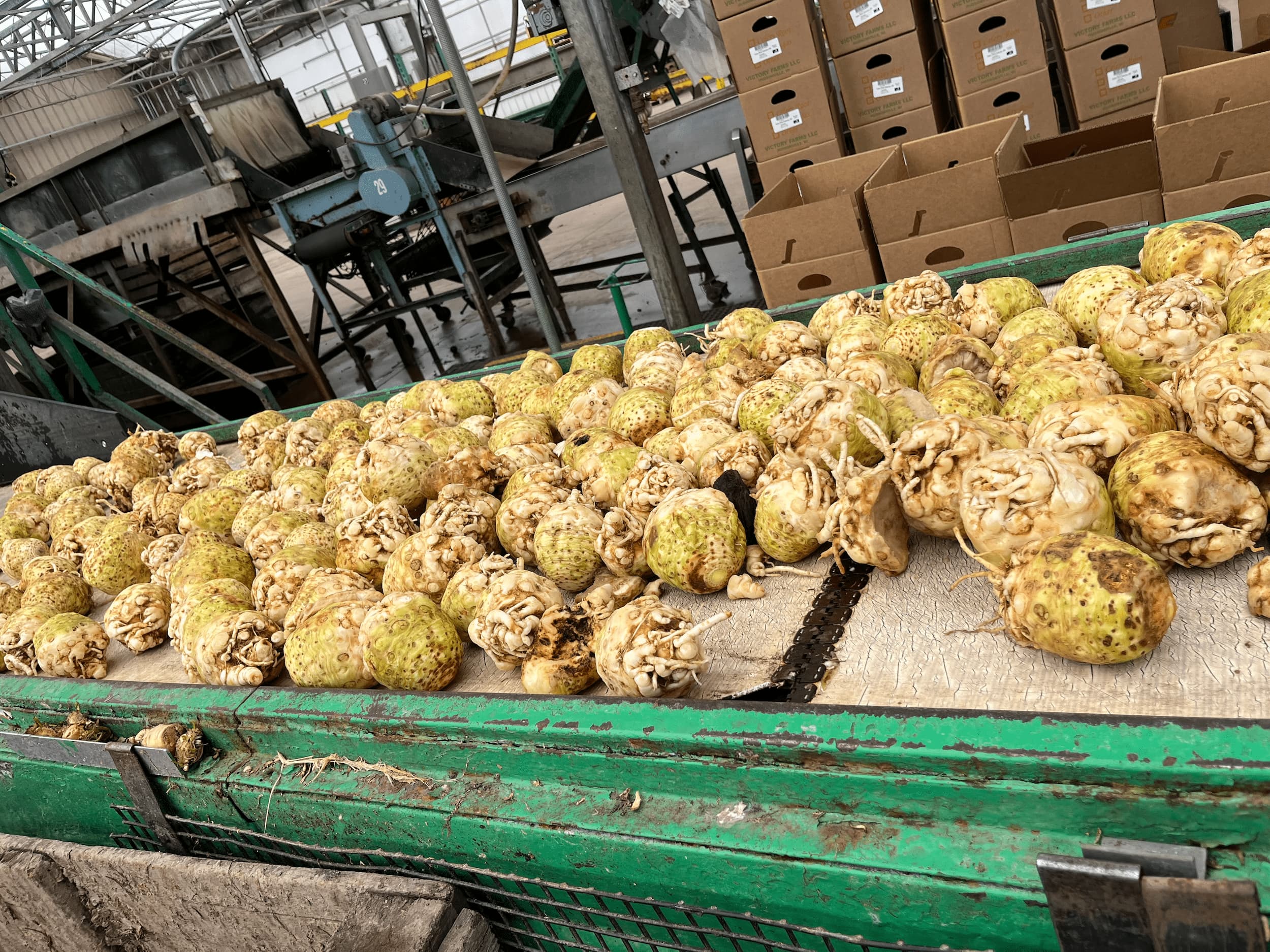
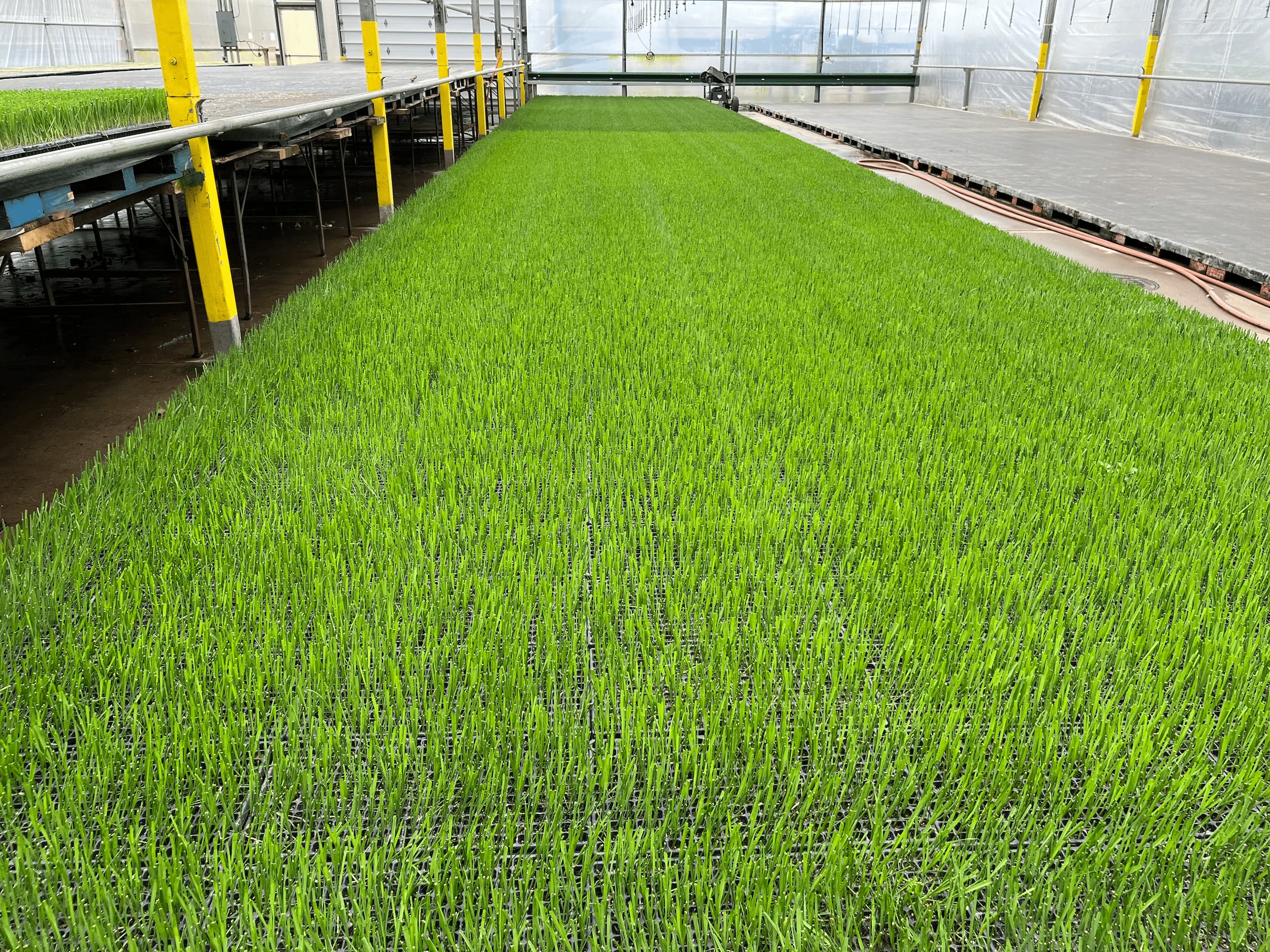
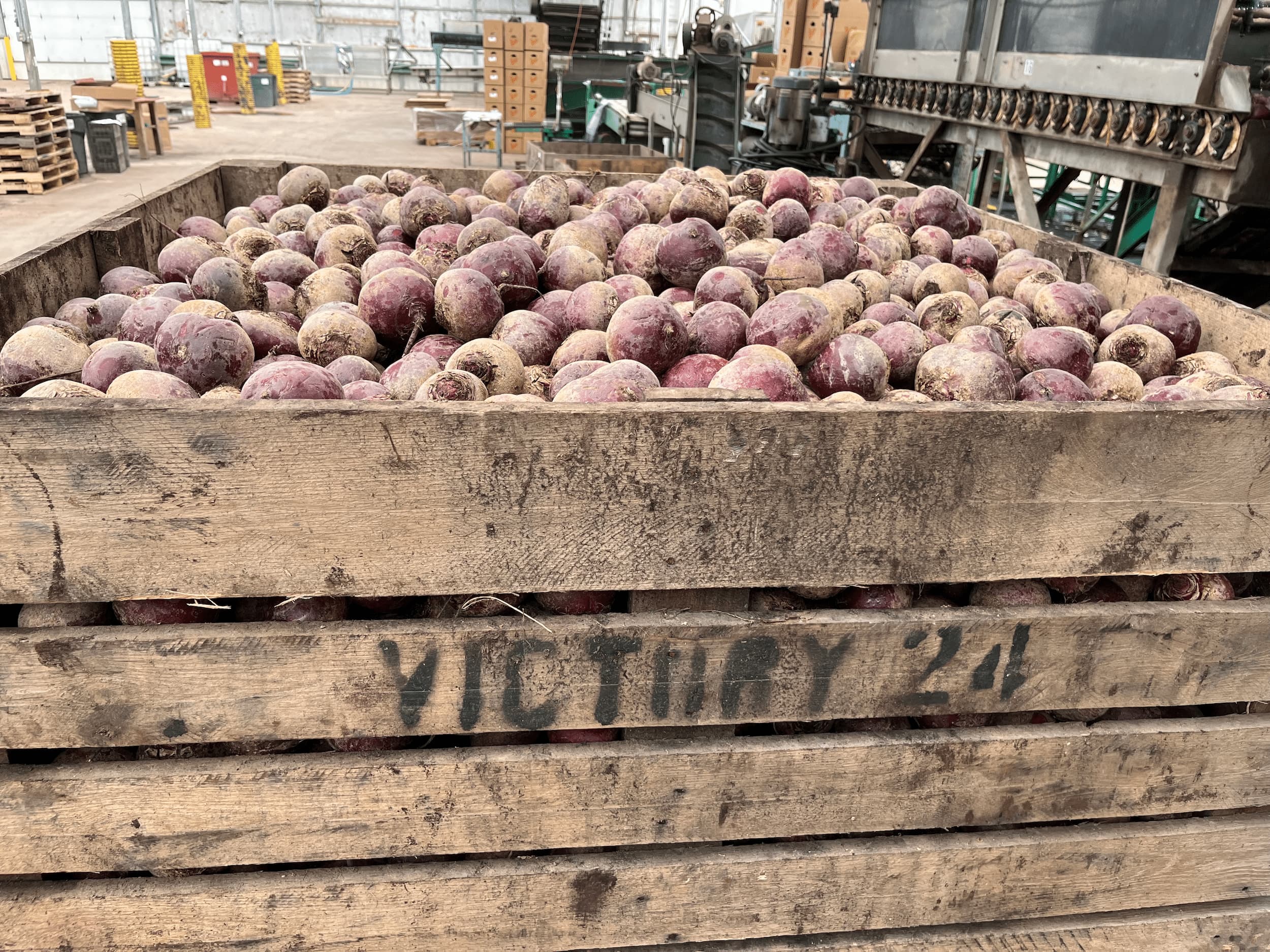
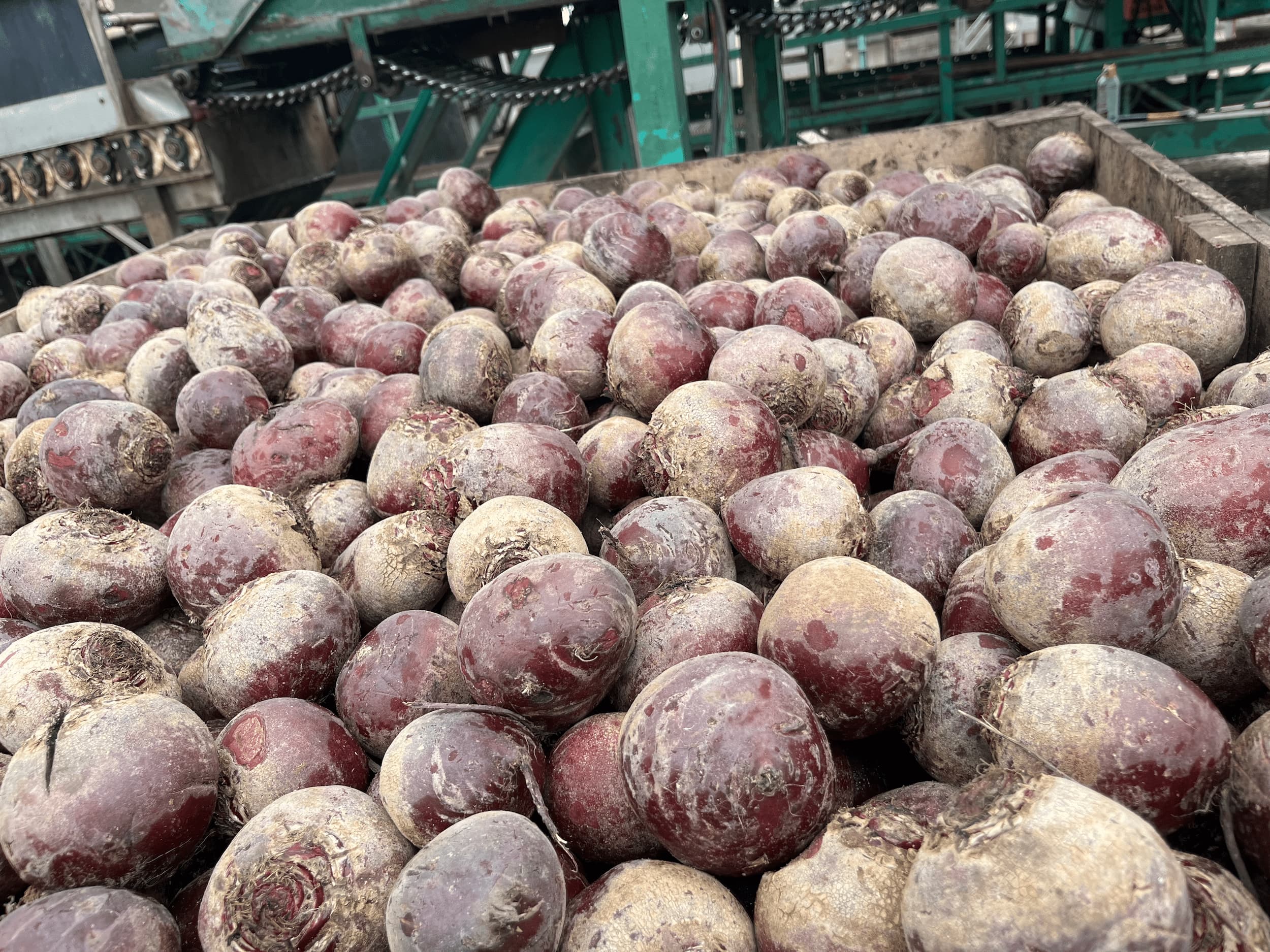
Victory Farms has 1300 acres in Ottawa County under cultivation, producing various root crops including turnips, beets, parsnips, rutabaga, as well as a variety of winter squashes. Much of this type of product is harvested all year long. The produce is supplied to the Eastern US, Florida, Chicago, Detroit and into Canada. Senator Victory knows farming.
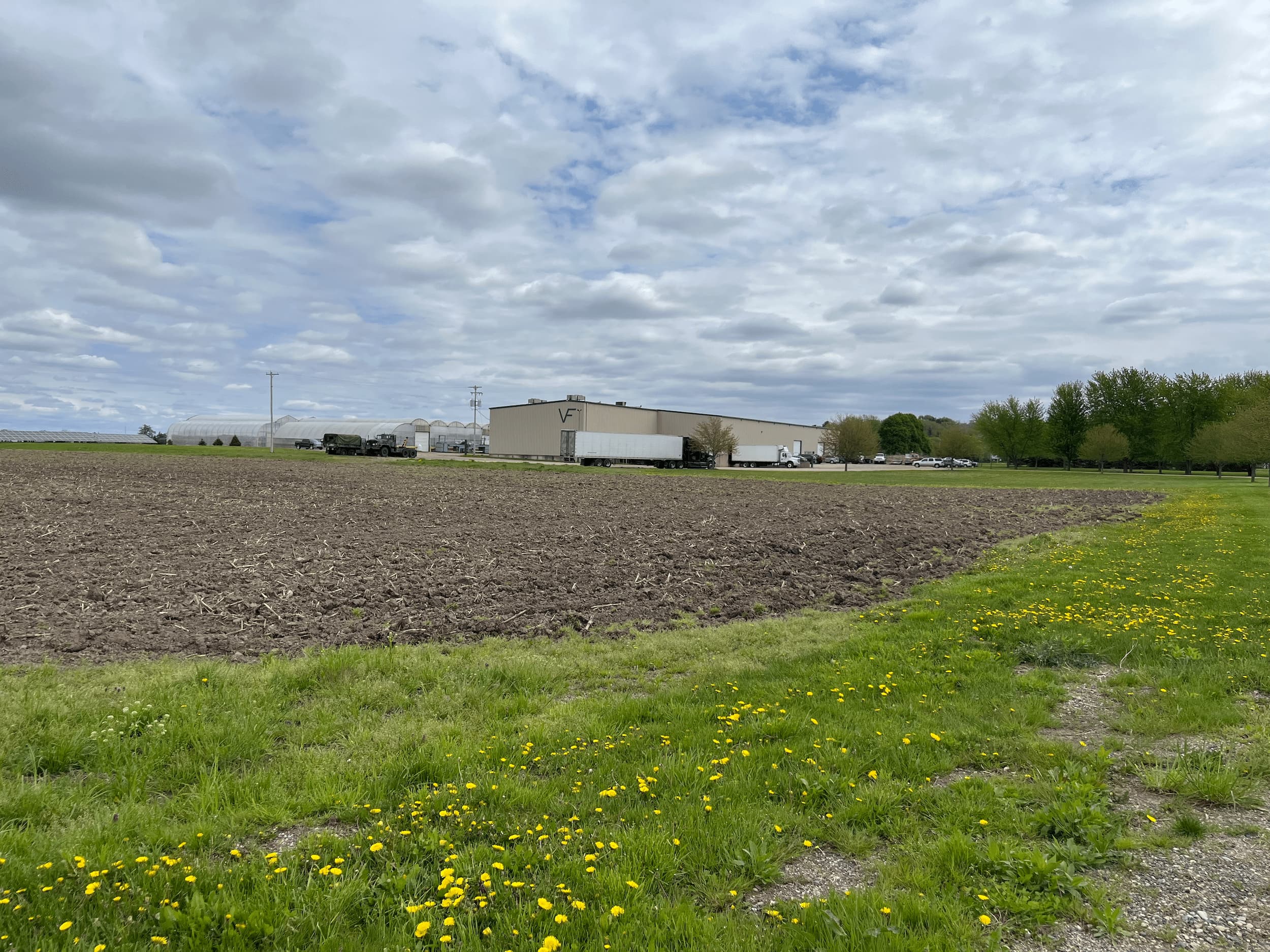
Even for those of us who aren’t farmers, living in West Michigan in the spring we see the importance of agriculture all around us. People are ready to get outdoors after a long winter. The fields of blueberry bushes are being readied, the strawberry beds are uncovered. The garden supply businesses are bustling with customers beautifying their yards and planting home gardens. The farmers’ fields are being prepared for spring planting.
But there is a fly in the works.
Even though Michigan farmland is some of the most productive in the nation (providing a huge variety of vegetables and fruits as well as beef, pork, and poultry), with the passage of Act 233, we are seeing the impact of competitive uses of Michigan farmland versus the demand for land for a net zero energy goal.
Our local, wide-open fields are being pressured by a variety of nonfarm uses such as solar farms, battery storage, and AI centers rather than raising cash crops and supplying the nation with nutritious food. We see a lot of discussion about the pressure on farmland and farmers and rightly so.
The people of Michigan need to make some decisions about the greatest and best use of the treasure we have in the Mitten State.
Looking at statistics, we are second only to California in crop diversity in the nation.
Michigan leads the nation in the production of tart cherries and asparagus. We are a leader in the production of blueberries, cucumbers, pumpkins, squash, apples, and dry beans.
We are a leading milk producer and number one in milk production per cow, and we hold our own in the production of beef, pork, and poultry.
The glaciers that shaped our terrain thousands of years ago brought with them a variety of soils through both direct deposits from areas to the north, as well as glacial outwash, with rivers carrying the soils downstream as the ice in the glaciers melted. Consequently, there are a huge variety of soil types across the state. The rich clay loams deposited in the southern part of the state make for soils suitable for a wide variety of crops.
Michigan is surrounded by the Great Lakes—large inland seas which moderate our climate and extend our growing season. The Lakes take the edge off both hot and cold weather patterns.
Michigan’s ability to grow food is only one advantage. Beyond that, it also has the capability to process what it grows and the transportation system to get the products to market.
A powerhouse that Senator Victory understands.
Before running for state office, Roger Victory served on various local farm bureau boards and completed the MSU extension Great Lakes Leadership program. He ran for a seat in the Michigan House and served there from 2013–2018. In 2019 he was elected to the Michigan State Senate and serves there today.
Due to Michigan’s term limits, he cannot run for the Legislature again but now has his sights on a Trustee position on the Board of Michigan State University. Since Victory knows the legislative process and knows farming, he would love to serve in this capacity at MSU and bring his expertise to this office.
I learned that Michigan State was the first Land Grant College in the United States under the pen of President Abraham Lincoln. Michigan State was first established in 1855 as the Agricultural College of the State of Michigan to teach a scientific approach to agriculture. In 1862 Congress passed the Morrill Act for states to establish public land grant colleges. Through this bill, states could offer more affordable higher education in agriculture and mechanical arts to farmers and mechanically inclined individuals. With President Lincoln signing the legislation in 1863, the Michigan college became the first land grant college, and by being the first, was the prototype for the land grant system.
As an agricultural college, MSU seems a natural fit for Senator Roger Victory, who sees the value of food production under the banner that food is health. This healthy living vision fits well with Washington and the Make America Healthy Again movement. The farm-to-table concept has grown with local restaurants and individual families looking to partner with local growers for healthy and locally sourced vegetables, meats, and dairy products.
As a legislator and a fourth-generation farmer, Roger Victory would bring valuable knowledge and experience to MSU as a trustee and would bring the university back to its roots of providing a top-class education with a focus on healthy foods and a healthy lifestyle.

Geri McCaleb was born in the Netherlands, the youngest of 5, and came to America with her family in 1951. Her hometown, Scheveningen, is a beach town near DE Hague on the North Sea. Her parents found a home in Grand Haven, a beach town on Lake Michigan. Her family lived through the years of Nazi occupation in Holland, and she grew up on stories of hardship and survival during those war years. It shaped her thinking and showed her the importance of faith in God and freedom. Geri served on Grand Haven City Council for 8 years, 2001 until 2009. She decided to run for Mayor in 2011 and served 4 terms ending in 2019. After her time with the city, she was a Community Columnist for the Tribune for several years. She and her husband and have 2 children and 4 grandchildren and now live in Grand Haven Township.
Copyright © 2025 Hollander Media. All Rights Reserved. This material may not be published, broadcast, rewritten, or redistributed without written authorization. By providing your email or phone number, you are consenting to receive emails, calls, and SMS/MMS messages from The Hollander and affiliates. Msg & data rates may apply.