.webp)
The September 9 study session will give residents an opportunity to hear from public safety officials and weigh in on a technology that has generated growing debate across Ottawa County.
HOLLAND, Mich.—Holland residents will have an opportunity to learn more about license plate reader technology and share their concerns when the City Council holds a study session Wednesday, September 9, at 6 pm.
The meeting will take place in the second-floor Training Room at City Hall, 270 S. River Avenue. A public safety presentation on license plate reader systems is the fourth item on the agenda, following public comment, a battery energy storage presentation from the Holland Board of Public Works, and an annual update from the Holland Museum.
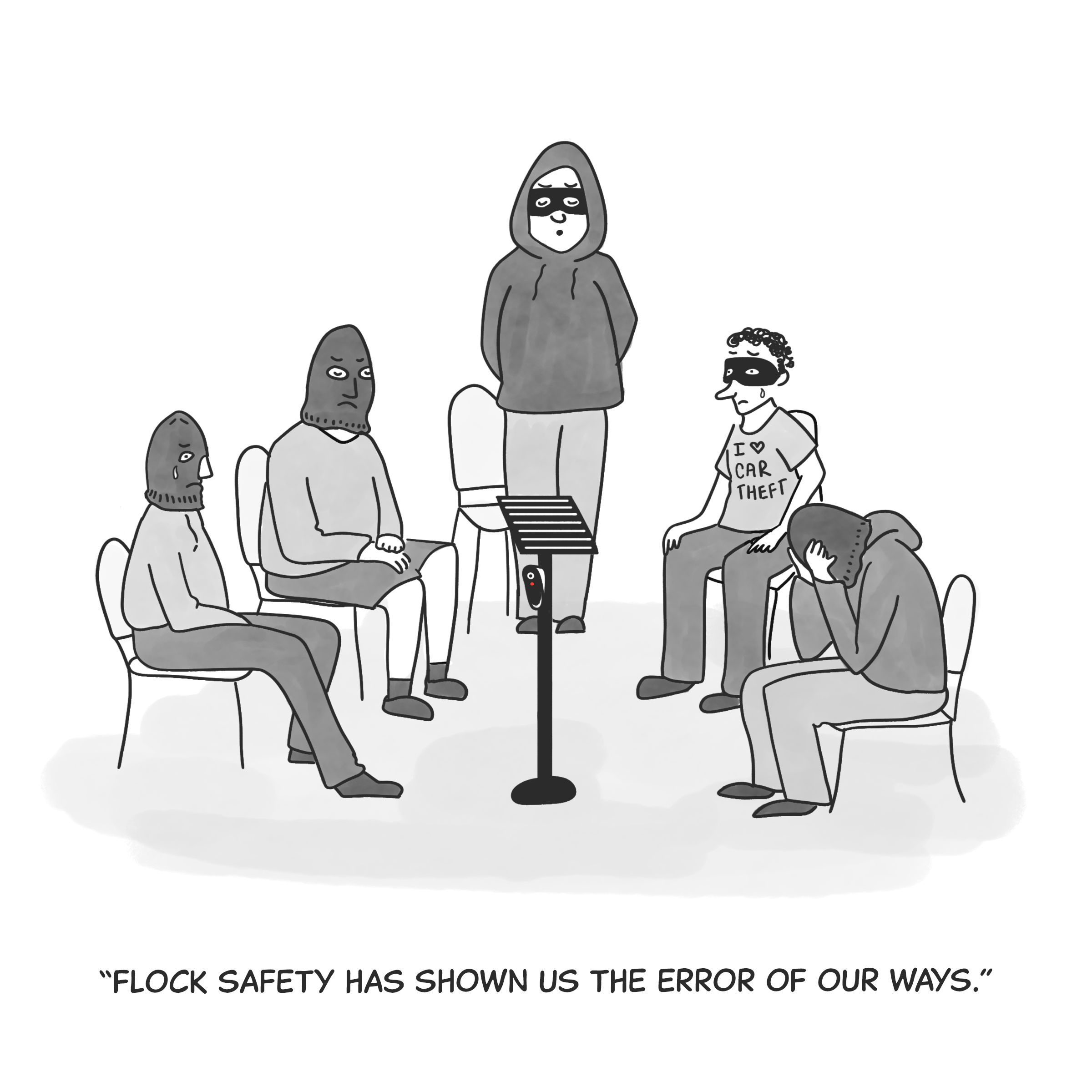
The discussion comes as automated license plate readers, commonly associated with Flock Safety, have become the subject of a broader public debate over crime prevention, government surveillance, privacy, and accountability.
Residents who support the technology, oppose it, or simply want to understand how it works are encouraged to attend. The meeting offers an opportunity to hear directly from officials, ask questions through the public comment process, and make sure community concerns are part of the conversation before any future decisions are made.
The agenda identifies the item as a “Public Safety Presentation on License Plate Reader Systems.” It does not specify whether Council will consider purchasing cameras, expanding an existing system, or changing city policy.
Study sessions are intended for discussion and review. No action or vote will be taken at Wednesday’s meeting, although issues discussed may return for consideration at a future business meeting.
The public comment period is scheduled at the beginning of the meeting. Residents may also submit written comments in advance to the City Council at publiccomment@cityofholland.com, according to the City’s meeting guidance. (City of Holland)
Automated license plate readers capture images of vehicles and license plates on public roadways. Law enforcement agencies use the technology to help identify vehicles associated with investigations, including stolen vehicles and missing-person cases.
Supporters argue that the cameras can provide investigators with valuable leads and help locate suspects more quickly. Critics have raised questions about how long vehicle data is retained, who can access it, whether information is shared with other agencies, and what safeguards prevent misuse.
Those questions have already surfaced at the county level. In August, residents addressed the Ottawa County Board of Commissioners about Flock cameras, prompting discussion of a possible future work session.
Ottawa County Sheriff Eric DeBoer responded by defending the system and welcoming additional public scrutiny. According to the Sheriff’s Office, the technology has contributed to 124 arrests since 2024, helped recover 72 stolen vehicles, and assisted in recovering more than $906,000 in stolen property. The sheriff also said the system does not use facial recognition or identify drivers, and that searches require a documented reason. (WGHN)
The sheriff’s description applies to Ottawa County’s system. Holland residents should have the opportunity to learn what equipment, policies, and data-sharing arrangements would apply to any system discussed by the City.
The debate has also been accompanied by incidents of vandalism.
On August 25, News Channel 3 reported that Jerod Allen Folkert, 19, of Holland, had been charged with felony malicious destruction of police property in connection with damage to a Flock camera in Ottawa County.
According to the report, the incident occurred July 29 and caused an estimated $1,500 to $2,000 in damage. The Ottawa County Sheriff’s Office said multiple cameras had been damaged in recent weeks and that investigators were looking into the incidents. (WSBT)
The charge is an allegation, and Folkert is presumed innocent unless proven guilty.
Sheriff DeBoer emphasized that disagreement with the technology is welcome, but destruction of public property is not. The incident underscores the importance of providing residents with a lawful, public forum to raise concerns and seek answers.
Wednesday’s presentation is an opportunity for residents to ask how license plate readers would operate in Holland, including:
These are questions worth asking regardless of where residents stand on the technology. A public discussion can help establish both the potential benefits and the limits of the system before future policy decisions are made.
Holland City Council Study Session
Wednesday, September 9, 2026, at 6 pm
City Hall, second-floor Training Room
270 S. River Avenue, Holland, MI
The meeting includes public comment and is open to residents. The full agenda and meeting materials are available through the City of Holland meeting portal.
Residents are encouraged to attend, listen to the presentation, and participate in the public process. Whether the community ultimately supports or opposes the use of license plate readers, the discussion should be informed, transparent, and shaped by the people who live here.

Copyright © 2025 Hollander Media. All Rights Reserved. This material may not be published, broadcast, rewritten, or redistributed without written authorization. By providing your email or phone number, you are consenting to receive emails, calls, and SMS/MMS messages from The Hollander and affiliates. Msg & data rates may apply.


.jpg)