.jpg)
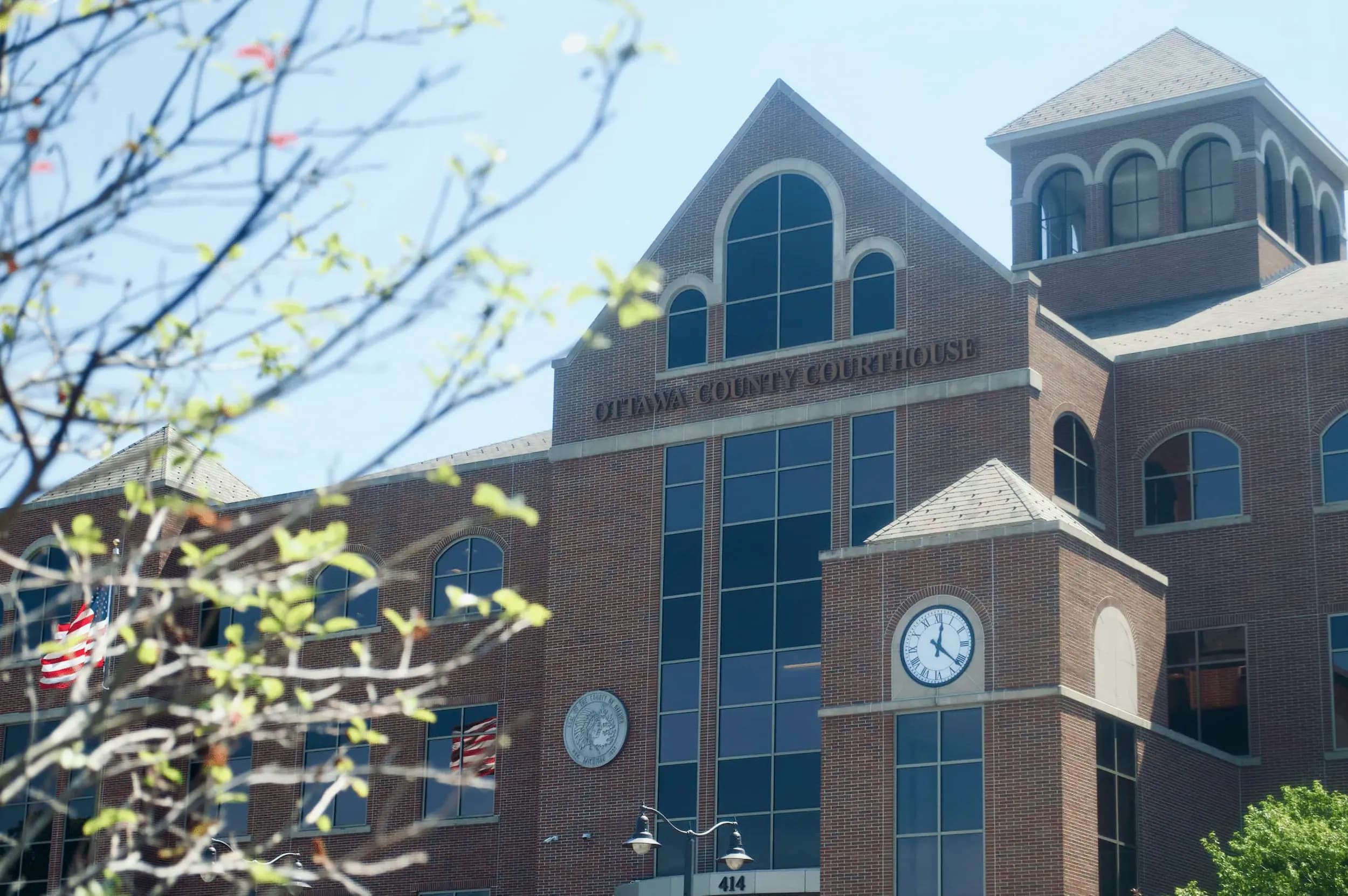
Ottawa County’s debate over surveillance cameras is moving to the full Board of Commissioners after a proposal to temporarily pause the county’s Flock Safety system failed to advance out of committee.
At its Oct. 13 meeting, the board’s Planning and Policy Committee discussed a resolution from Commissioner Allison Miedema that would have temporarily halted contract renewals and expansions of the county’s automated license plate reader system. The proposal also would have prohibited fixed camera systems while allowing vehicle-mounted readers on vehicles with a deputy present.
The committee did not advance Miedema’s proposed resolution, leaving the larger question of how the county should use the technology open for further discussion by the full board.
The timing matters because the county renewed its Flock contract in September, keeping the system in place for another two years.
Miedema’s proposal sought to put limits on the system while commissioners continued reviewing its use. It would have frozen renewals and expansions and prohibited fixed cameras, allowing only vehicle-mounted readers on vehicles with a deputy present.
Sheriff Eric DeBoer questioned whether that approach would be workable for his department, according to reporting by WHTC.
The committee ultimately chose not to move Miedema’s language forward. Instead, members indicated they wanted the full board to continue discussing the issue.
That means the proposed pause has not been adopted, and the September contract renewal remains in place.
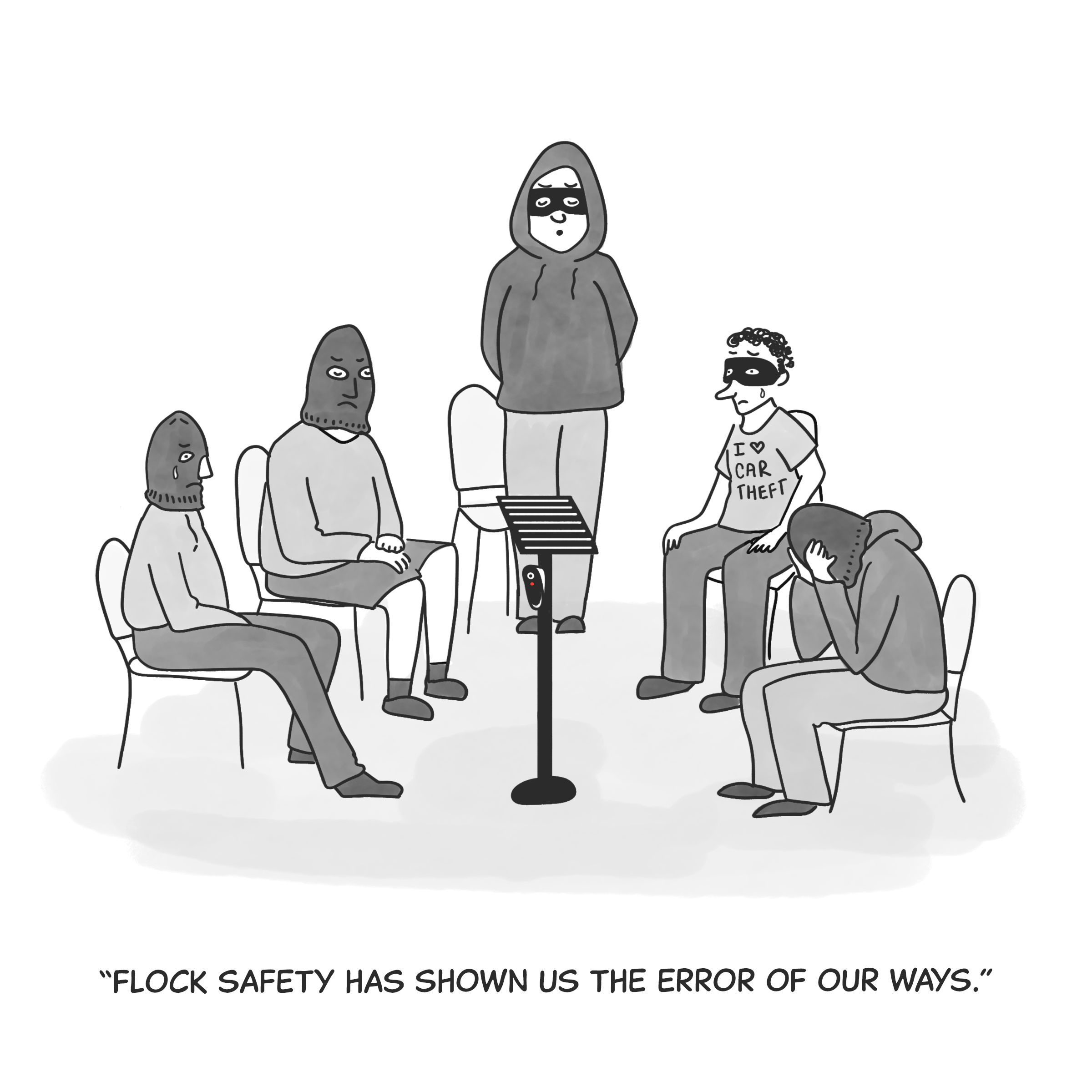
The Ottawa County Sheriff’s Office uses Flock Safety automated license plate readers, or ALPRs, to help investigators identify vehicles connected to criminal investigations and locate stolen vehicles and missing people.
According to DeBoer’s presentation to commissioners in September, the county’s network includes 31 fixed and mobile cameras. The system captures license plate information, the time and location of a reading, and vehicle characteristics such as make, model and color.
DeBoer said the system retains routine data for 30 days before automatically deleting it unless it has been preserved for an active investigation. He also described safeguards that require individual user accounts, documented reasons for searches and independent verification of alerts before deputies act.
The sheriff has defended the cameras as a useful investigative tool, citing arrests and stolen vehicle recoveries connected to their use.
The disagreement centers on a difficult question: how can law enforcement use technology to solve crimes while protecting residents’ privacy?
Supporters point to the cameras’ role in identifying vehicles connected to investigations. Critics have raised concerns about the collection of information on people who have not committed crimes, how long that information is retained, who can access it and whether it could be misused.
Those concerns have been part of the public discussion at recent county meetings. The debate is not simply about whether cameras can help investigators, but also about what limits and oversight should govern their use.
The county’s current system includes 31 cameras, with DeBoer previously reporting that the county pays $3,000 annually for each of its 15 county-funded units, totaling $45,000 per year. Additional cameras are associated with municipal agreements.
The Planning and Policy Committee’s decision leaves the question of future restrictions unresolved. The full Board of Commissioners is expected to continue discussing the system, but the committee did not adopt Miedema’s proposed pause.
For now, the existing contract remains in effect for another two years. Any changes to the county’s approach will depend on further board discussions and any action commissioners ultimately take.
Residents can follow the issue through the Ottawa County Board of Commissioners meeting materials and recordings.

Copyright © 2025 Hollander Media. All Rights Reserved. This material may not be published, broadcast, rewritten, or redistributed without written authorization. By providing your email or phone number, you are consenting to receive emails, calls, and SMS/MMS messages from The Hollander and affiliates. Msg & data rates may apply.